That Golden Escalator and the Power of Image

Some years ago when my daughter was reading George Orwell’s 1984 in high school, she was given the assignment of creating a propaganda video for Big Brother. I suggested she view two examples for models.

One was the opening sequence of The Triumph of the Will, Leni Riefenstahl’s notorious Nazi propaganda film of the massive Nazi rally in Nuremberg in 1934. The other was the famous “Morning in America” commercial for Ronald Reagan’s reelection campaign in 1984.

I’ve always been struck by the similarities.

The Triumph of the Will opens with imagery suggestive of a fairy tale. As an airplane emblazoned with a Swastika descends through heavenly clouds, the quaintly beautiful city of Nuremberg comes into view through the mist. The plane lands, and Adolf Hitler disembarks to be greeted by ecstatic, smiling followers raising their arms in the Nazi salute. There is a feeling of benign and comforting reassurance, a promise that Hitler has restored Germany to the glory it had lost in World War I—with no hint of the horrors that Nazism was about to wreak upon the world.
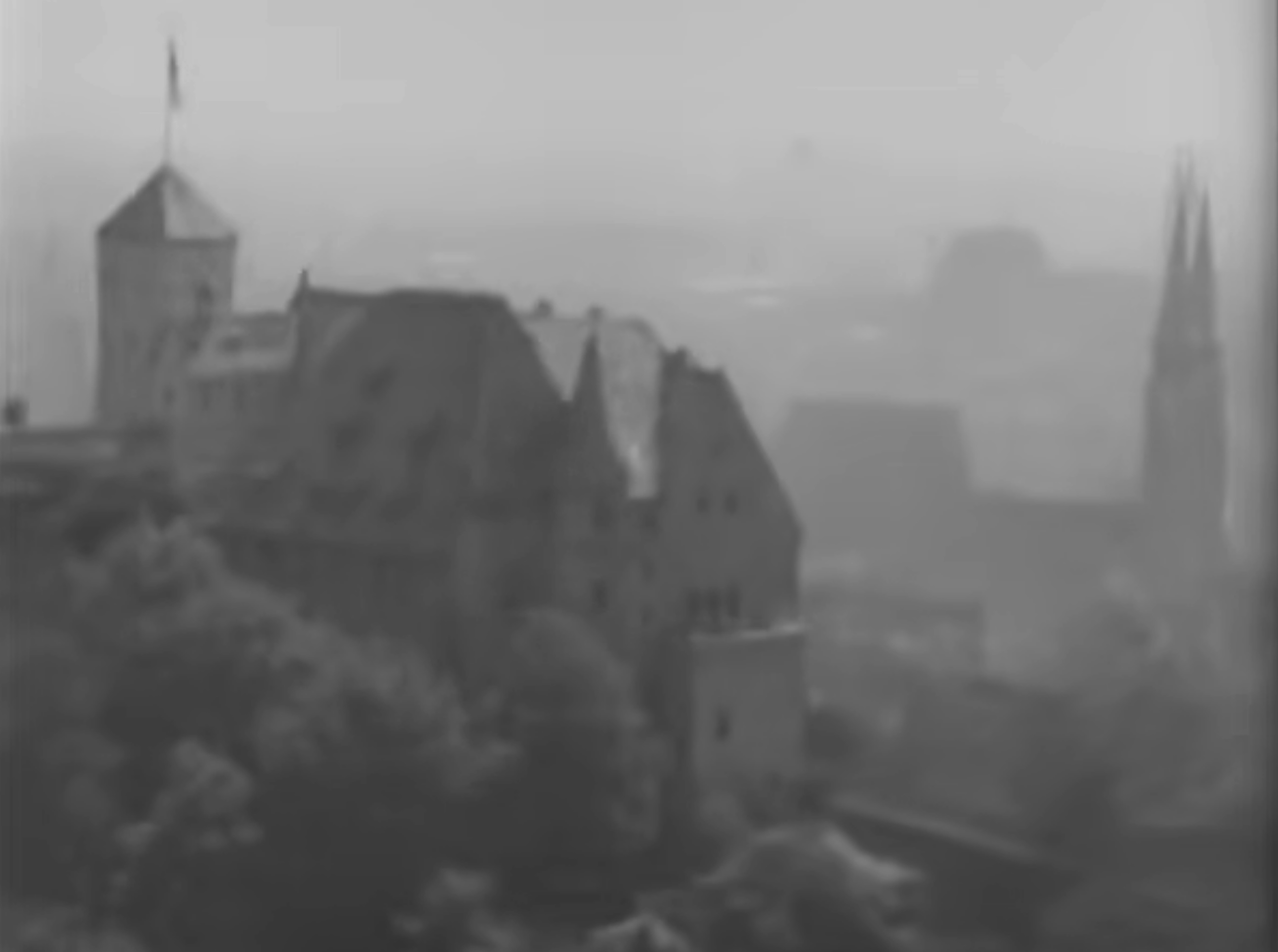
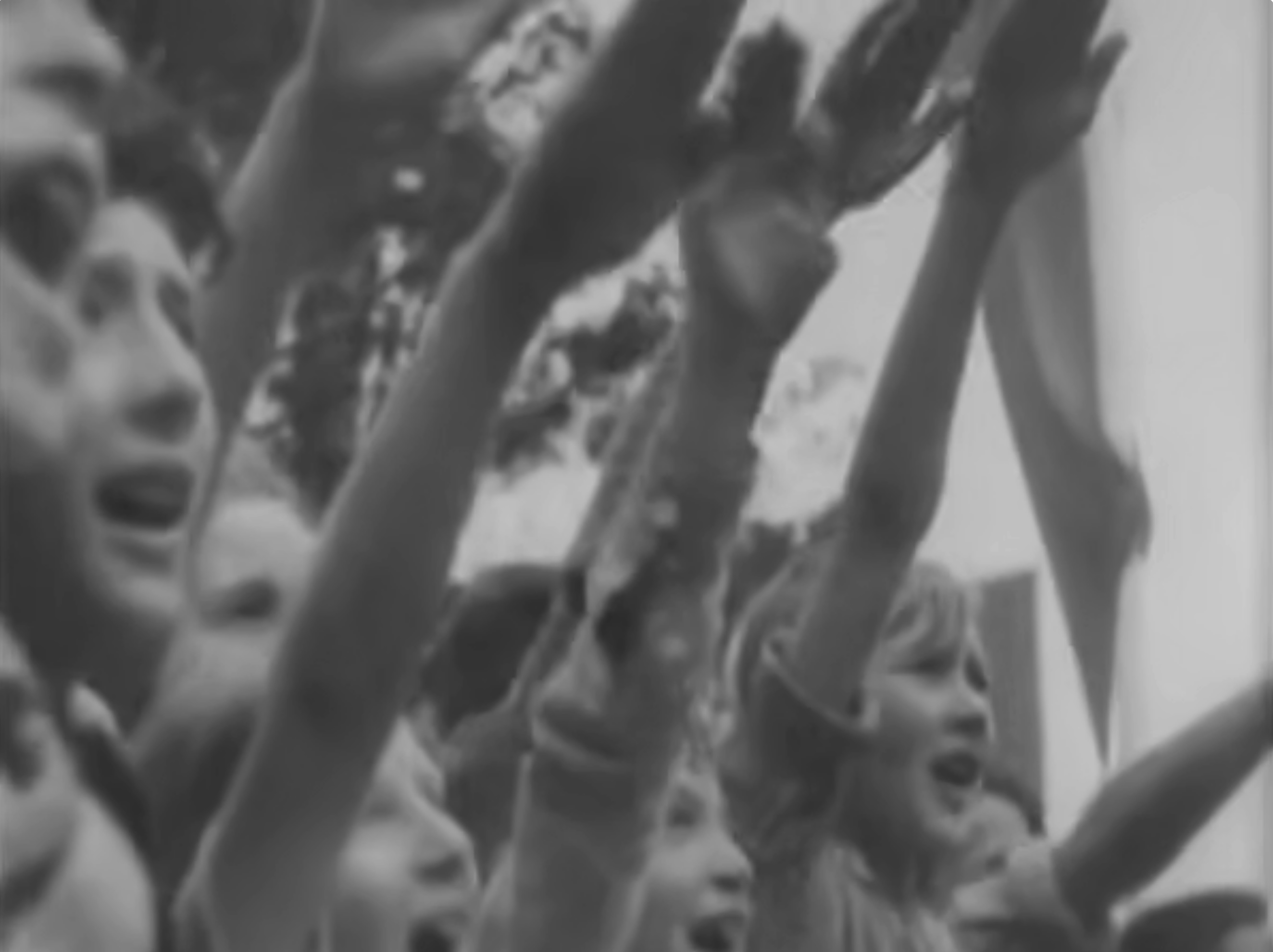
Frames from The Triumph of the Will, by Leni Riefenstahl.

At the beginning of the Reagan commercial, the avuncular voice of adman Hal Riney purrs the words, “It’s morning again in America.” The TV screen is then awash with images: a newspaper boy on a bicycle, a farmer on a tractor, a suburban neighborhood replete with white picket fences and station wagons, bustling city streets and construction sites, a traditional white wedding, the raising of the American flag, and happy, smiling faces, predominantly white. Riney’s narration continues:

“It’s morning again in America, and under the leadership of President Reagan, our country is prouder and stronger and better. Why would we ever want to return to where we were less than four short years ago?”

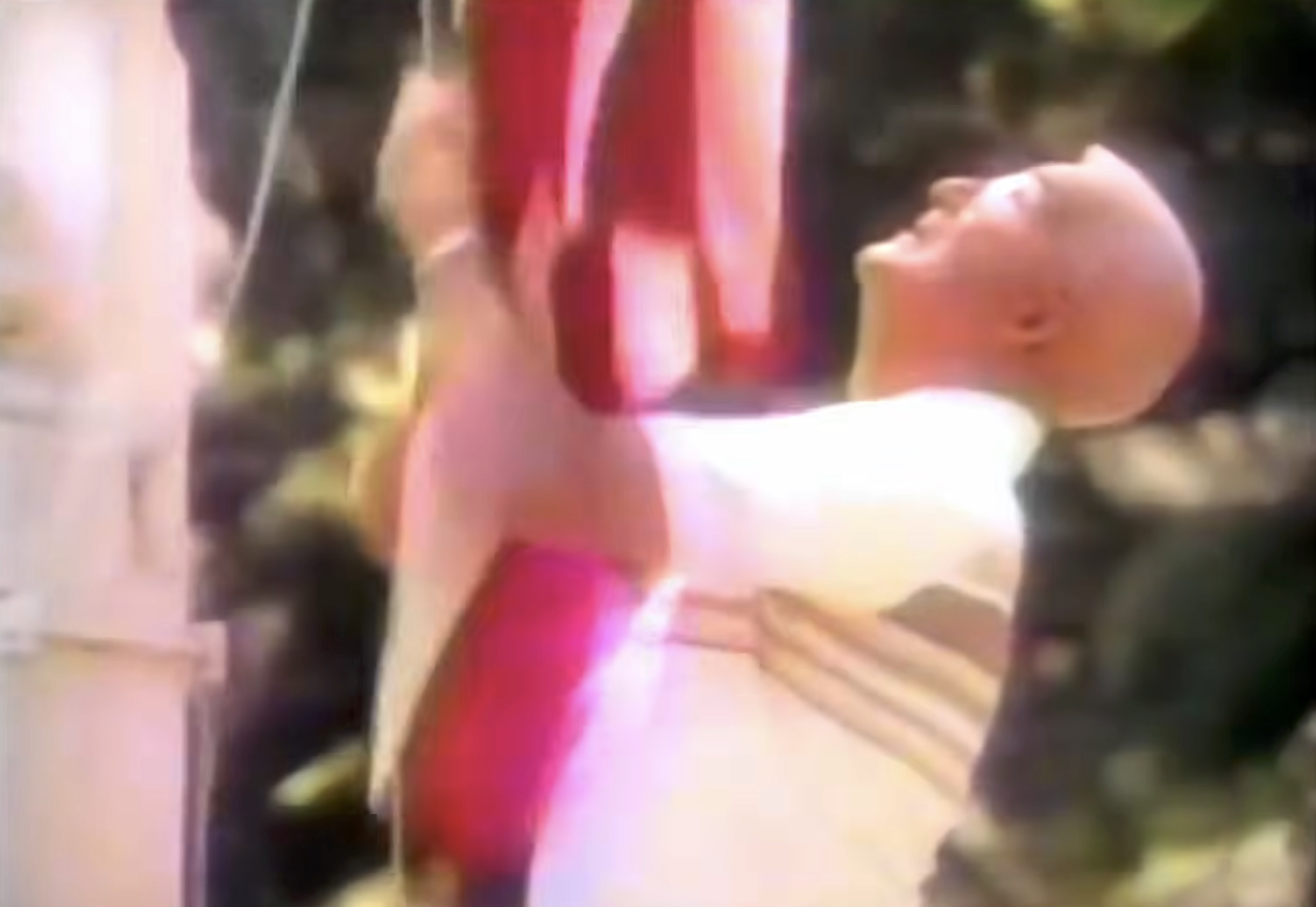
Frames from the Reagan-Bush ’84 campaign commercial “Prouder, Stronger, Better.”

When that commercial aired, I was old enough to remember John F. Kennedy’s famous appeal in his Inaugural Address of 1961:

“Ask not what your country can do for you—ask what you can do for your country.”

I also remembered President Lyndon Johnson promising America a “Great Society” in 1964:

“The Great Society rests on abundance and liberty for all. It demands an end to poverty and injustice, to which we are totally committed in our time.”

When I saw Reagan’s 1984 commercial with its anodyne images, I realized that an era of social justice and mutual aid, of combatting poverty, injustice, and racism, was coming to an end. The slogan “Morning in America” was practically a euphemism for “me first.”
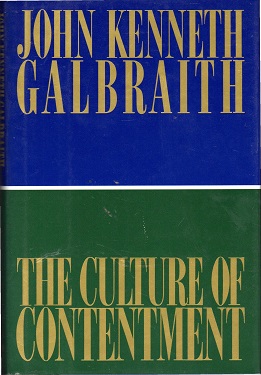
The late economist John Kenneth Galbraith’s 1992 book The Culture of Contentment helped me understand what had changed. Galbraith argued that the majority of Americans who elected Reagan were comfortably affluent—contented, if not actually wealthy. Why, they wondered, should they pay taxes to help others? Why should they make any sacrifices at all for anyone outside their tribe, neighborhood, or family?

That “culture of contentment” is gone. We live in a time of anger and disillusionment. In times like these, a false messiah often promises to save the day, propelled into power by shrewdly effective propaganda. In 2016, I watched with the rest of America as our latest champion descended among us in a golden escalator, then addressed us in words not of promise, hope, and goodwill, but of hatred, fear, and racism:

“They’re bringing drugs. They’re bringing crime. They’re rapists.”

I was horrified, as were many other Americans. But out of sheer despair, far too many of us were ready to buy Trump’s message. And the golden escalator did a lot to sell that message. As Riefenstahl and Hal Riney knew all too well, images have power—and consequences.

—Wim
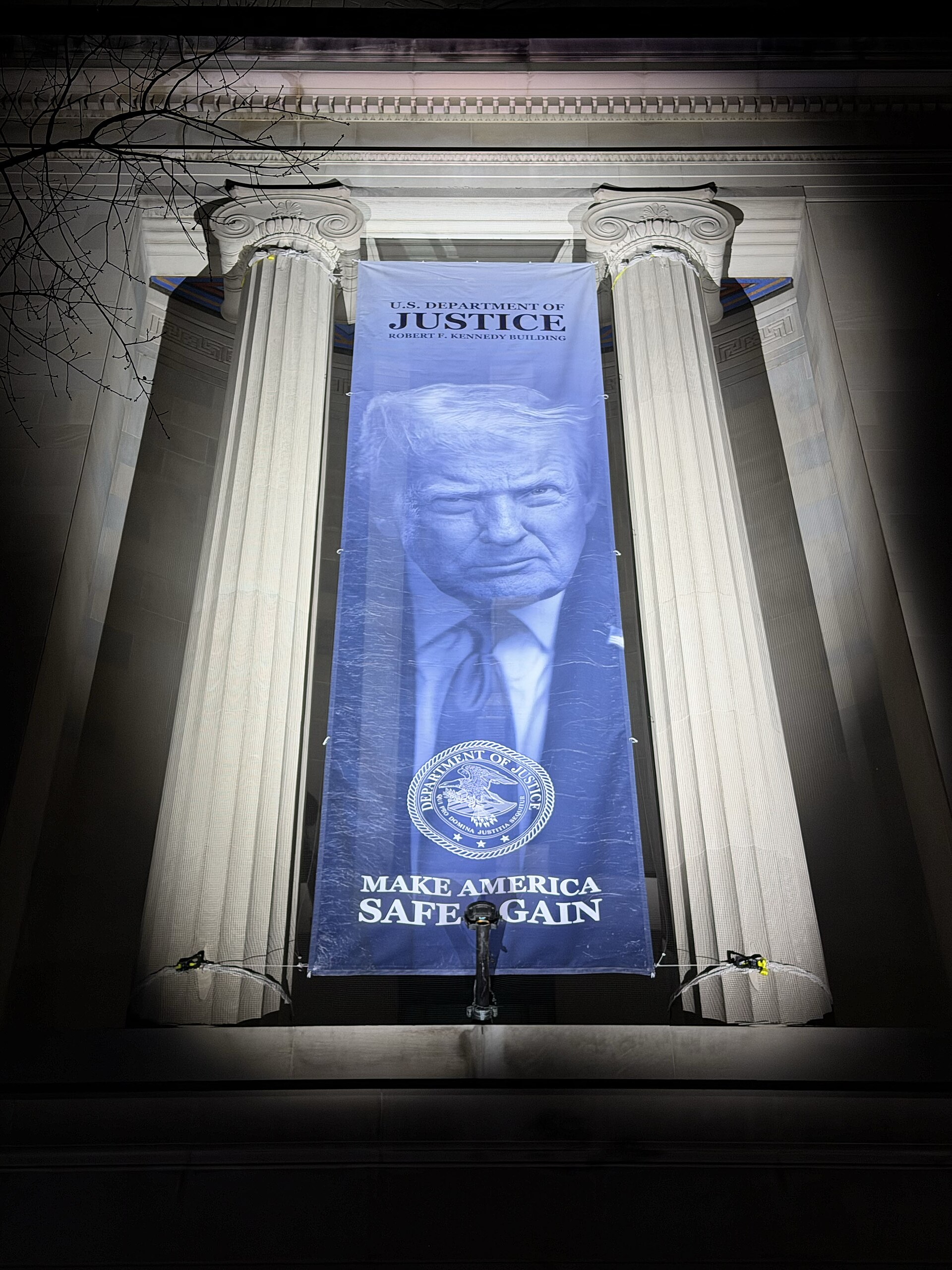
Banner installed between the columns of the Robert F. Kennedy Department of Justice Building, February 19, 2026; photo by Quintin Soloviev, Creative Commons Attribution 4.0 International license.

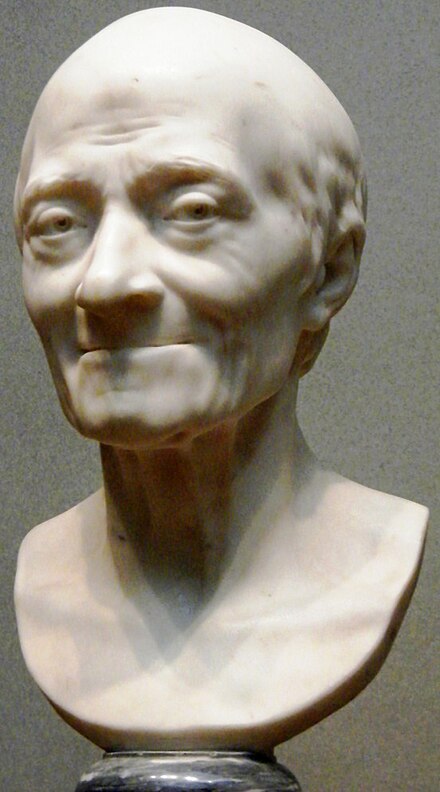
Voltaire and Catherine the Great discuss American democracy …

Wim’s new play Wiser than the Night is a witty and sweeping drama of ideas that asks a trenchant question about democracy: “What went wrong?”

Set in 1980 in the wake of Ronald Reagan’s election, Wiser than the Night brings together events of the Bolshevik Revolution, Stalinist tyranny, Russian folklore, and American history and politics. It includes the historical figures Catherine the Great, Peter III, Potemkin, and Voltaire. In one scene, Voltaire pays Catherine the Great a visit from the afterlife to discuss the future of American democracy. Their chat becomes more than a little prescient.

VOLTAIRE: What have I missed since I’ve been dead? How are those upstart American colonies doing, now that they’ve declared their independence? How fares their war against Britain?

CATHERINE: They might just win.

VOLTAIRE: Have they chosen a king yet?

CATHERINE: It doesn’t appear that they want one.

VOLTAIRE: Ha. Dr. Franklin said so when we met. I thought he was joking.

CATHERINE: They aim to become a republic of sorts. Don’t you approve?

VOLTAIRE: The question is, are they ready? I doubt it very much. An enlightened monarch is what they need.

CATHERINE: Where would they look to find one?

VOLTAIRE: To the noble houses of Europe, naturally. There are plenty of dynastic pretenders to choose from. What about your son? Might he be looking for something to keep him busy? A sort of—hobby, maybe?

CATHERINE: Aside from trying to murder his dear mother? I’m not that lucky. Anyway, I don’t think America would have him.

VOLTAIRE: Surely they don’t fancy choosing somebody from their own population—a common bourgeois merchant or planter or blacksmith or some backwoods trapper. What would they even call him? A chairman, a foreman, an overseer, a boss, a—president?

CATHERINE: Maybe they can do without one altogether.

VOLTAIRE: Oh, really—

CATHERINE: How can anybody know till it’s been tried? No more of this—this breeding of monarchs as livestock and pretending God picks and chooses. Surely the world has had enough of that. Perhaps the people of America can learn to govern themselves.

VOLTAIRE: Now you’re scaring me. A government must certainly be for the people—that’s what “consent of the governed” means. But a government by the people, and purely of the people? You’re talking about anarchy, my friend—no, something worse, democracy.

CATHERINE: Why not? It worked in ancient Athens.

VOLTAIRE: Yes, in a cozy little city state where everybody knew everybody else, but not in a bustling frontier teetering on the brink of savagery. Oh, this “all men are created equal” business is well and good, but just between you and me, there’s plenty of evidence against it. And anyway, it would take a powerful king to make this equality thing really work. A philosopher king isn’t out of the question—they do turn up now and again. Look at you, you’ve got an excellent head on your shoulders. But a whole nation of philosopher citizens? Don’t put money on it. Here’s a thought. What about pure democracy tempered by absolute despotism? No, don’t sneer at the idea. That sniveling sentimentalist Rousseau got one thing right. People must sometimes be forced to be free.

CATHERINE: But forced by whom? That seems to be the problem of America itself.

VOLTAIRE: Indeed, and it’s likely to continue so. They’ll have to get rid of slavery somehow, but what happens then? After a couple of centuries of strife and striving, lurching between the giddiness of progress and stomach-churning failure, I fear Americans will tire of the fight and surrender to their own basest instincts and become a nation of puppets. And the puppeteer they choose for their leader will be nothing but a puppet himself, a hollow automaton with neither mind nor will nor purpose, a demagogic fool ranting through his teeth and flailing his limbs and yanking his subjects’ strings in random idiotic fury.

*

A complete PDF of Wiser than the Night can be downloaded HERE.