Some years ago when my daughter was reading George Orwell’s 1984 in high school, she was given the assignment of creating a propaganda video for Big Brother. I suggested she view two examples for models.
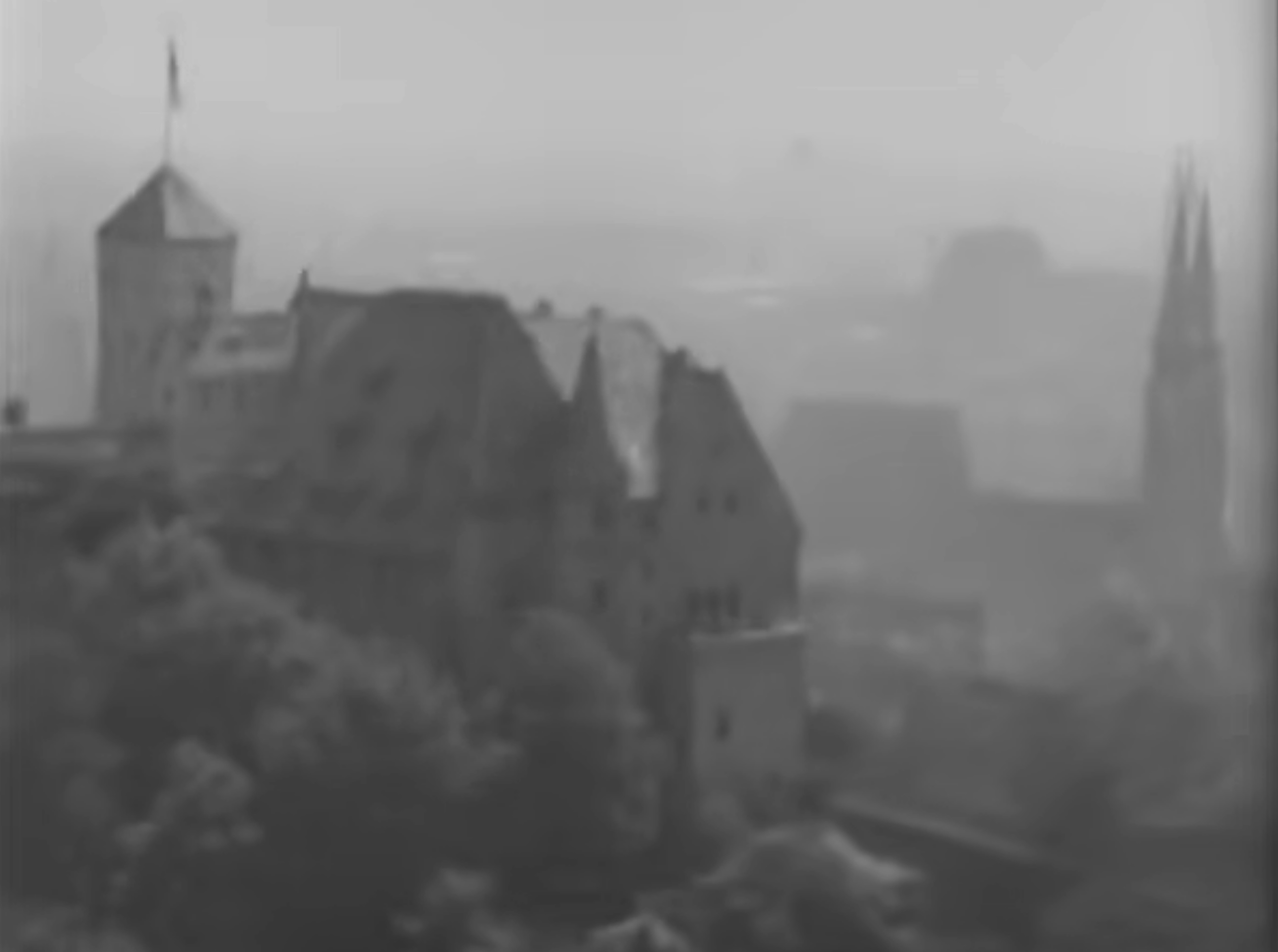
One was the opening sequence of The Triumph of the Will, Leni Riefenstahl’s notorious Nazi propaganda film of the massive Nazi rally in Nuremberg in 1934. The other was the famous “Morning in America” commercial for Ronald Reagan’s reelection campaign in 1984.
I’ve always been struck by the similarities.
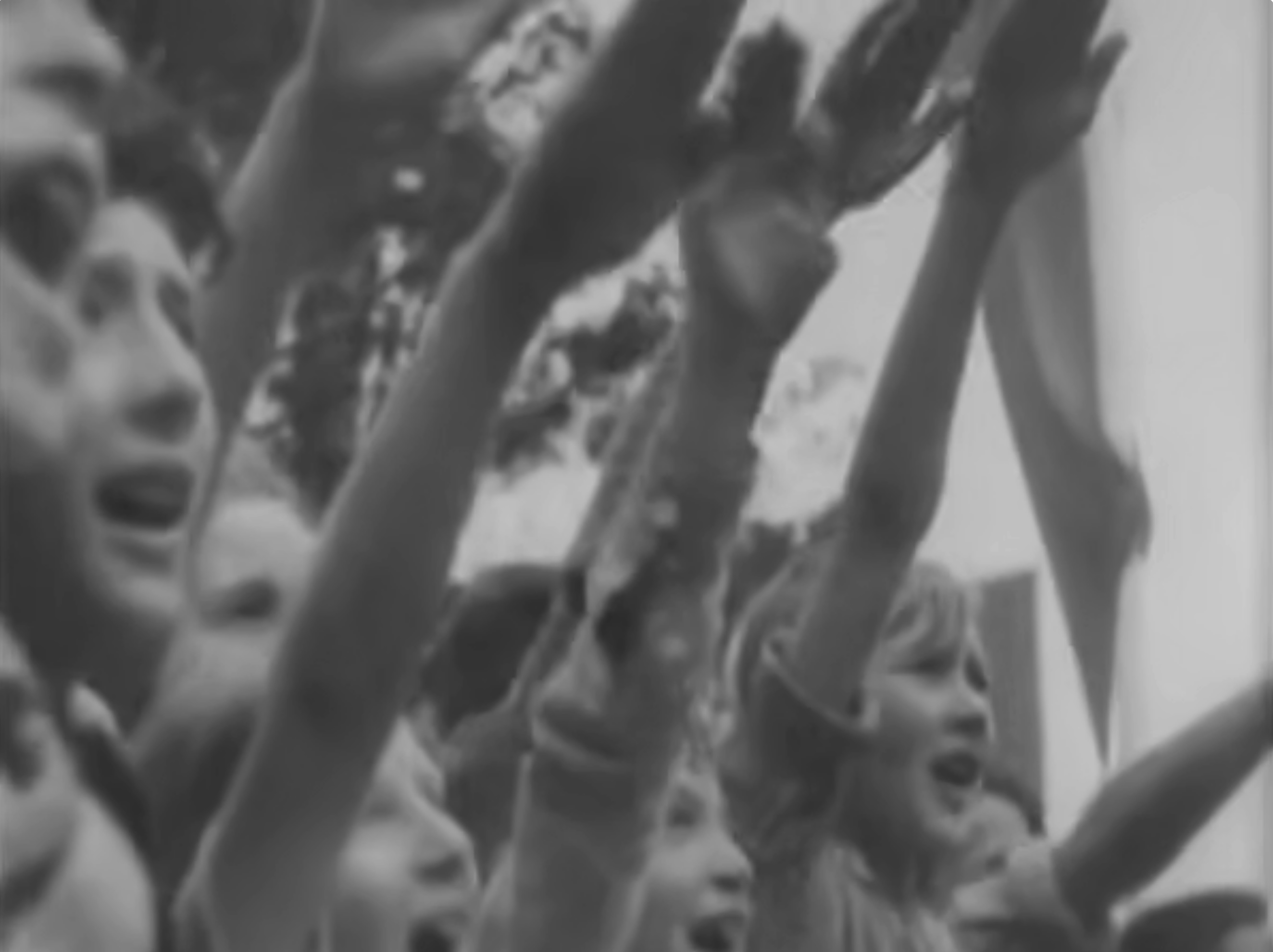
The Triumph of the Will opens with imagery suggestive of a fairy tale. As an airplane emblazoned with a Swastika descends through heavenly clouds, the quaintly beautiful city of Nuremberg comes into view through the mist. The plane lands, and Adolf Hitler disembarks to be greeted by ecstatic, smiling followers raising their arms in the Nazi salute. There is a feeling of benign and comforting reassurance, a promise that Hitler has restored Germany to the glory it had lost in World War I—with no hint of the horrors that Nazism was about to wreak upon the world.
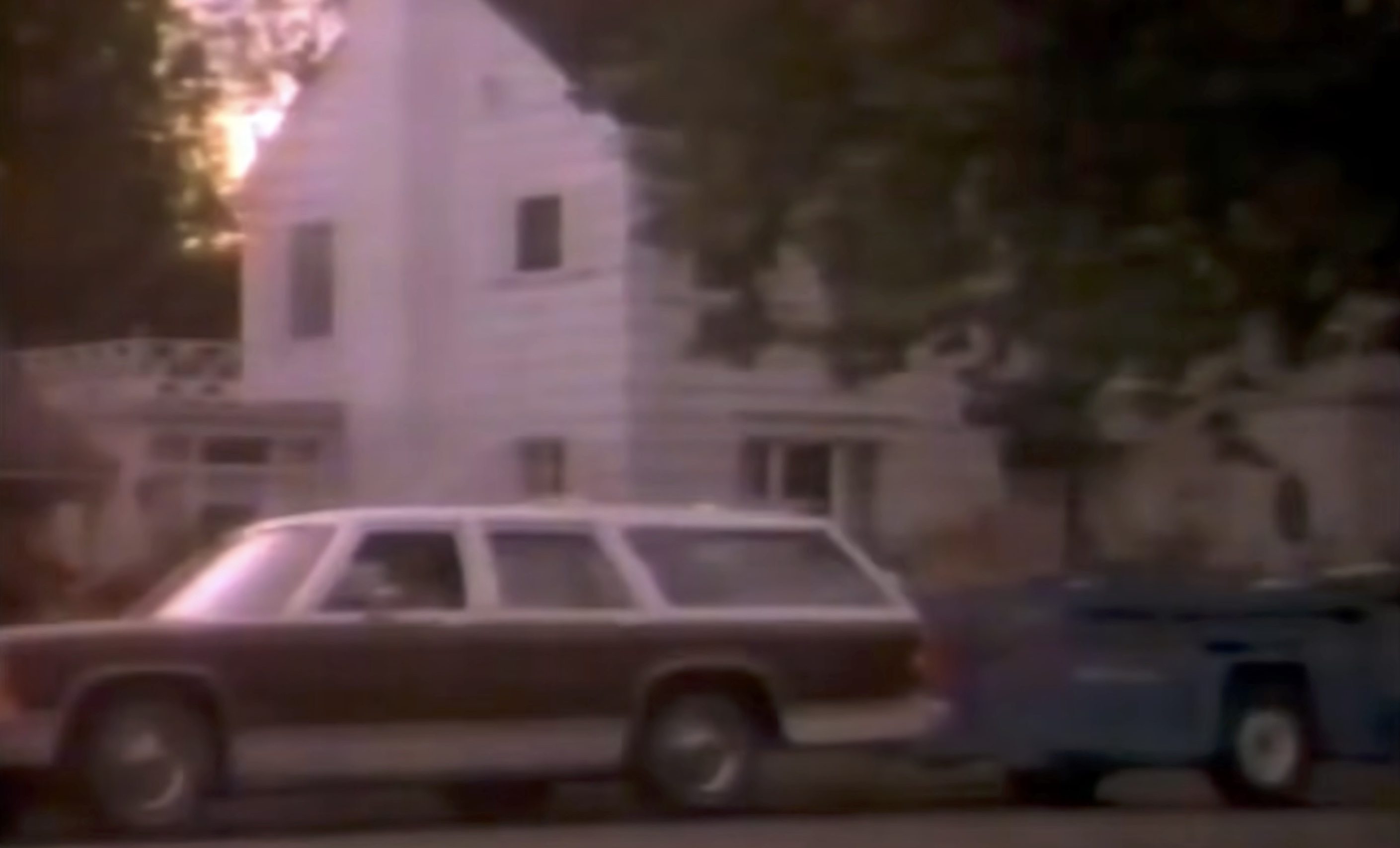
At the beginning of the Reagan commercial, the avuncular voice of adman Hal Riney purrs the words, “It’s morning again in America.” The TV screen is then awash with images: a newspaper boy on a bicycle, a farmer on a tractor, a suburban neighborhood replete with white picket fences and station wagons, bustling city streets and construction sites, a traditional white wedding, the raising of the American flag, and happy, smiling faces, predominantly white. Riney’s narration continues:
“It’s morning again in America, and under the leadership of President Reagan, our country is prouder and stronger and better. Why would we ever want to return to where we were less than four short years ago?”
When that commercial aired, I was old enough to remember John F. Kennedy’s famous appeal in his Inaugural Address of 1961:
“Ask not what your country can do for you—ask what you can do for your country.”
I also remembered President Lyndon Johnson promising America a “Great Society” in 1964:
“The Great Society rests on abundance and liberty for all. It demands an end to poverty and injustice, to which we are totally committed in our time.”
When I saw Reagan’s 1984 commercial, I realized that an era of social justice and mutual aid, of combatting poverty, injustice, and racism, was coming to an end. The slogan “Morning in America” was practically a euphemism for “me first.”
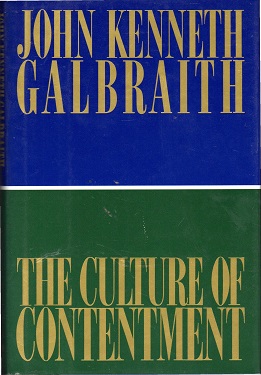
The late economist John Kenneth Galbraith’s 1992 book The Culture of Contentment helped me understand what had changed. Galbraith argued that the majority of Americans who elected Reagan were comfortably affluent—contented, if not actually wealthy. Why, they wondered, should they pay taxes to help others? Why should they make any sacrifices at all for anyone outside their tribe, neighborhood, or family?
That “culture of contentment” is gone. We live in a time of anger and disillusionment. In times like these, a false messiah often promises to save the day, propelled into power by shrewdly effective propaganda. In 2016, I watched with the rest of America as our latest champion descended among us in a golden escalator, then addressed us in words not of promise, hope, and goodwill, but of hatred, fear, and racism:
“They’re bringing drugs. They’re bringing crime. They’re rapists.”
I was horrified, as were many other Americans. But out of sheer despair, far too many of us were ready to buy Trump’s message. And the golden escalator did a lot to sell that message. As Riefenstahl and Hal Riney knew all too well, images have power—and consequences.
—Wim