Wim’s new play Wiser than the Night is a witty and sweeping drama of ideas that asks a trenchant question about democracy: “What went wrong?”
Set in 1980 in the wake of Ronald Reagan’s election, Wiser than the Night brings together events of the Bolshevik Revolution, Stalinist tyranny, Russian folklore, and American history and politics. It includes the historical figures Catherine the Great, Peter III, Potemkin, and Voltaire. In one scene, Voltaire pays Catherine the Great a visit from the afterlife to discuss the future of American democracy. Their chat becomes more than a little prescient.
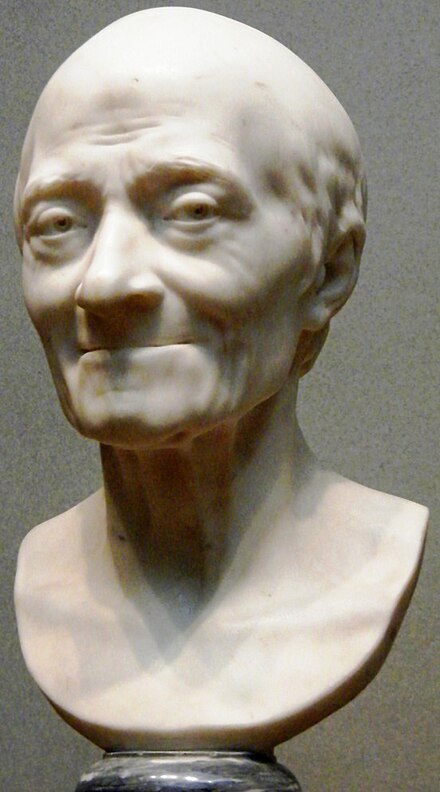
VOLTAIRE: What have I missed since I’ve been dead? How are those upstart American colonies doing, now that they’ve declared their independence? How fares their war against Britain?
CATHERINE: They might just win.
VOLTAIRE: Have they chosen a king yet?
CATHERINE: It doesn’t appear that they want one.
VOLTAIRE: Ha. Dr. Franklin said so when we met. I thought he was joking.
CATHERINE: They aim to become a republic of sorts. Don’t you approve?
VOLTAIRE: The question is, are they ready? I doubt it very much. An enlightened monarch is what they need.
CATHERINE: Where would they look to find one?
VOLTAIRE: To the noble houses of Europe, naturally. There are plenty of dynastic pretenders to choose from. What about your son? Might he be looking for something to keep him busy? A sort of—hobby, maybe?
CATHERINE: Aside from trying to murder his dear mother? I’m not that lucky. Anyway, I don’t think America would have him.
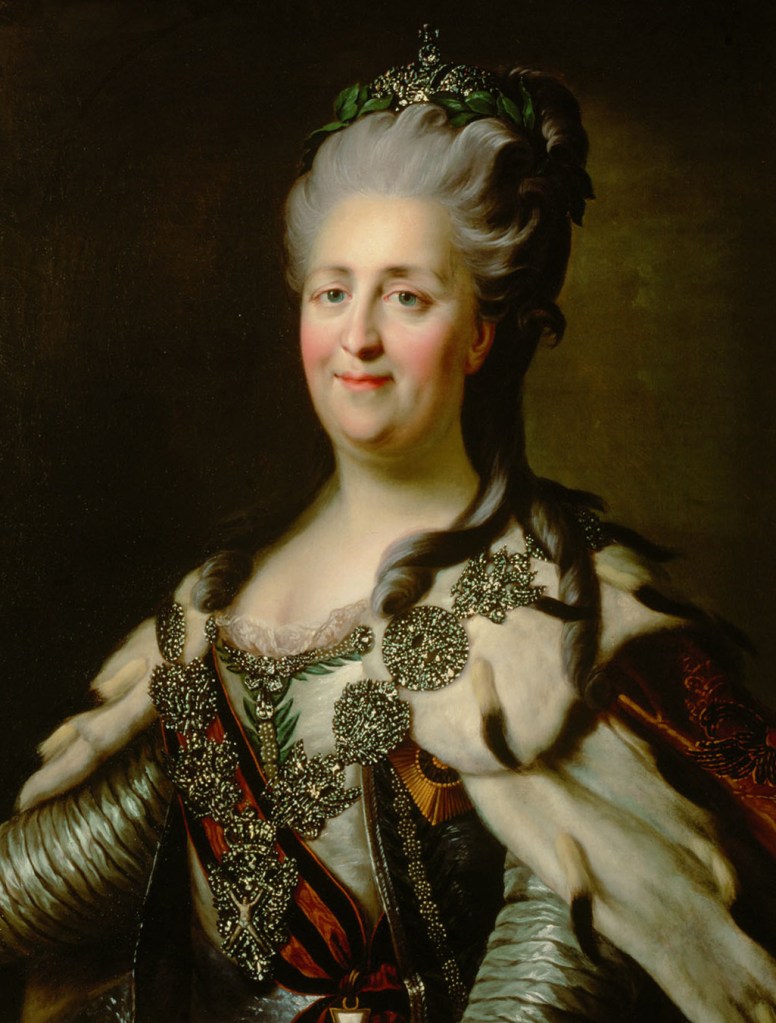
VOLTAIRE: Surely they don’t fancy choosing somebody from their own population—a common bourgeois merchant or planter or blacksmith or some backwoods trapper. What would they even call him? A chairman, a foreman, an overseer, a boss, a—president?
CATHERINE: Maybe they can do without one altogether.
VOLTAIRE: Oh, really—
CATHERINE: How can anybody know till it’s been tried? No more of this—this breeding of monarchs as livestock and pretending God picks and chooses. Surely the world has had enough of that. Perhaps the people of America can learn to govern themselves.
VOLTAIRE: Now you’re scaring me. A government must certainly be for the people—that’s what “consent of the governed” means. But a government by the people, and purely of the people? You’re talking about anarchy, my friend—no, something worse, democracy.
CATHERINE: Why not? It worked in ancient Athens.
VOLTAIRE: Yes, in a cozy little city state where everybody knew everybody else, but not in a bustling frontier teetering on the brink of savagery. Oh, this “all men are created equal” business is well and good, but just between you and me, there’s plenty of evidence against it. And anyway, it would take a powerful king to make this equality thing really work. A philosopher king isn’t out of the question—they do turn up now and again. Look at you, you’ve got an excellent head on your shoulders. But a whole nation of philosopher citizens? Don’t put money on it. Here’s a thought. What about pure democracy tempered by absolute despotism? No, don’t sneer at the idea. That sniveling sentimentalist Rousseau got one thing right. People must sometimes be forced to be free.
CATHERINE: But forced by whom? That seems to be the problem of America itself.
VOLTAIRE: Indeed, and it’s likely to continue so. They’ll have to get rid of slavery somehow, but what happens then? After a couple of centuries of strife and striving, lurching between the giddiness of progress and stomach-churning failure, I fear Americans will tire of the fight and surrender to their own basest instincts and become a nation of puppets. And the puppeteer they choose for their leader will be nothing but a puppet himself, a hollow automaton with neither mind nor will nor purpose, a demagogic fool ranting through his teeth and flailing his limbs and yanking his subjects’ strings in random idiotic fury.
*
A complete PDF of Wiser than the Night can be downloaded HERE.
 playsonideas