Giacomo, Constanze, and the shape of life …

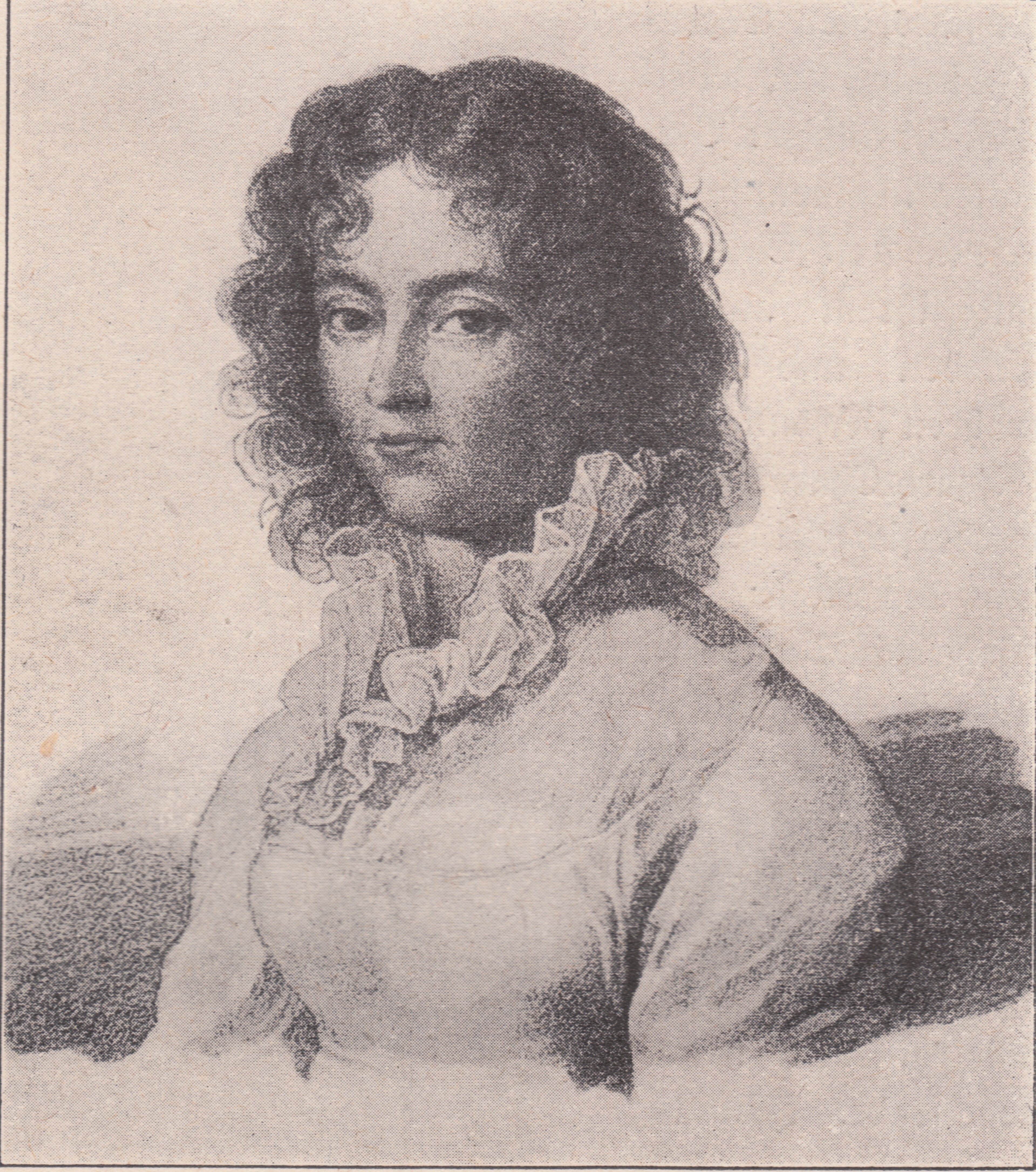
Engraving of Constanze Mozart at 19 or 20. Artist: Joseph Lange, brother-in-law of Mozart. Date: 1783.

“My husband makes things that live forever.”
“Then he must be a fool.”

I’ve been doing a bit of work on my new play “The Rake’s Visit: A One-Act Capriccio on a Theme from Don Giovanni,” about a fictional meeting between Giacomo Casanova and Constanze Mozart (downloadable here). These new lines come right after a playful improvisation in which Giacomo and Constanze create a little “opera” set in a beautiful place where people live truly free and creative lives:

GIACOMO.
But you are crying.

CONSTANZE.
It’s nothing.

GIACOMO.
Tell me.

CONSTANZE.
Am I dreaming—or am I dying?
It must be one or the other.
Here we are, the two of us together,
and I don’t believe I’ve ever felt so lost—
or so lonely.

GIACOMO.
Have you never felt it before—
this loneliness that must be shared by two?
It is the bitterest loneliness of all—
and also the loveliest.

CONSTANZE.
It’s sad—so sad.
Soon we’ll forget—all this ever happened—
this—this warmth of the brandy in our throats,
this yeasty aroma of fresh-baked stories,
the taste and—and tempo of our words—
this moment will die.

GIACOMO.
As all moments must and shall.
That is what moments are for,
to abide and then to perish,
and thank God for it.
We breathe, and then surrender every breath.
We light a candle, and we snuff it with a pinch of dampened fingers.
So it is with our lives, yours and mine and everybody’s.
A life without death would not be worth living.
Death is what gives life meaning, gives it …

CONSTANZE.
Shape?

GIACOMO.
The very thing.
Death is the boundary that holds us back
from formlessness and void.

CONSTANZE.
My husband makes things that live forever.

GIACOMO.
Then he must be a fool.
I myself am writing my own life story,
from beginning to end—
my joys and sorrows,
masterstrokes and blunders,
triumphs and debacles,
feats of magic, feats of fraud,
mortifications manifold and glories ever-fleeting,
and, oh yes, ladies, ladies, ladies—
in dozens of volumes, thousands of pages, millions of words—
and my greatest fear is that I’ll die
before I get the chance to burn them all,
every last scrap of ink on paper,
unread by any living soul …

—Wim
“The Rake’s Visit” — Wim’s new play …

I just finished writing a new two-character play: “The Rake’s Visit: A One-Act Capriccio on a Theme from Don Giovanni.” It is a revisionist take on Mozart’s opera, his wife Constanze, and especially the notorious adventurer Giacomo Casanova. You can download the entire play by clicking here.

Here’s a synopsis:

Prague, 1787: It is the night before the scheduled world premiere of Mozart’s opera Don Giovanni. The aging roué Giacomo Casanova has read the libretto by his libertine friend Lorenzo Da Ponte—and he hates it. He goes to Mozart’s lodgings hoping to rewrite it, only to find that Mozart wants nothing to do with him. But Mozart’s wife, Constanze, is intrigued by the legendary rake, and the two of them pass the night in the “alchemical brandy” of storytelling.

This exchange between Constanze and Giocamo takes place early in the play …

GIACOMO.
(thumbing through the libretto)
Would you help me … to fix this dreadful libretto?
Or just a little bit of it, at least?
Maybe just an aria or two?
If you don’t mind very much?
I’d hate to have squandered both my time and yours
with nothing to show for it.

CONSTANZE.
What’s wrong with it?

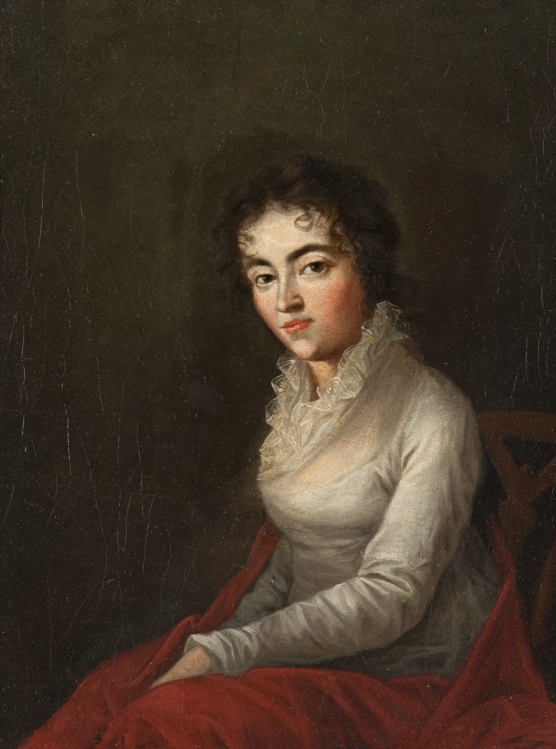
Portrait of Constanze Mozart by Joseph Lange c. 1782

GIACOMO.
Well, obviously it’s an abomination.
I knew it would be vile, but hadn’t expected—this,
not even from Lorenzo,
who is shameless as only a priest may be
(and, oh, I can assure you,
he was even worse before he was defrocked).
What he has done here with the Don Juan legend …
well, he has cast to the winds
the abundant moral lessons of Tirso and Molière
out of sheer infatuation with this scoundrel.
Giovanni is the lying looking-glass
that shows Lorenzo as he loves to see himself—
a rake of irresistible allure;
his very villainy flatters men’s dreams of debauchery,
of what they might do were their desires untethered
from decency or respect for womankind.
Oh, of course, in the end Giovanni does get swallowed up by hell and all—
the traditional perfunctory comeuppance
to lend an obligatory veneer of redeeming moral value.
But believe me, if you knew Lorenzo as I do—
well, he considers an eternity of hellfire
a paltry price to pay for a lifetime of glutting his earthly appetites
and ruining the lives of myriad ladies.

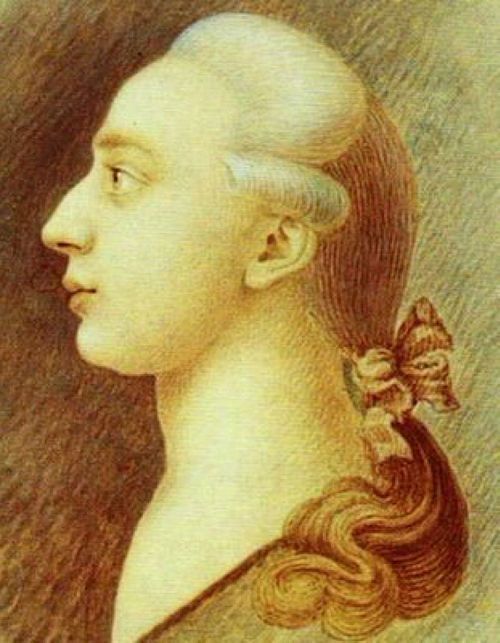
Drawing of Casanova by his brother Francesco

CONSTANZE.
Aren’t you a fine one to talk about ruining ladies’ lives?

GIACOMO.
My dear Frau Mozart,
of the thousands of women
who have conquered my heart and eyes and loins,
I challenge you to find one—
even one—
whose life I have ruined,
or one still living
with whom I do not remain on the most cordial terms
even after many years.
I am not a deceiver,
nor have I ever been deceived;
I have never been unfaithful,
nor have I ever been betrayed;
I have lived a happy life,
and I have generously shared my happiness.
Friendship is my categorical imperative—
I treat every woman I meet as an end in herself
and for herself,
not as a means toward an end.
For you see, the pleasures of flesh upon flesh are brief
and all the sweeter for it,
while friendship—
ah, friendship!—
is eternal—
but only when it really lasts!

—Wim

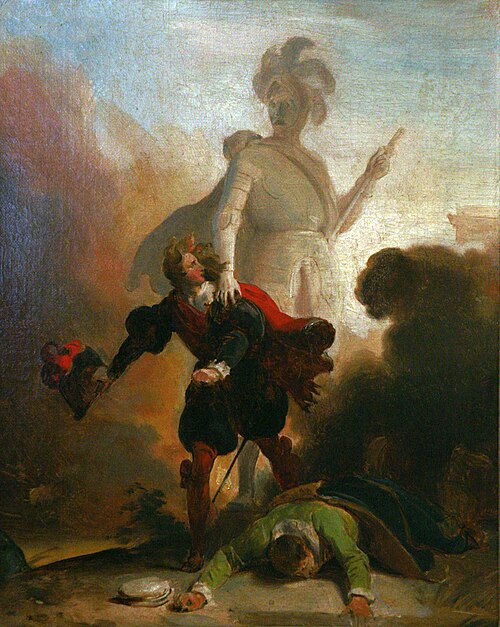
Don Giovanni confronting the stone guest; painting by Alexandre-Évariste Fragonard, c. 1830–35