Wim is grateful to editor Nolcha Fox for including five of his poems—including this one—in Chewers by Masticadores.
The Purloined X
A poem should not mean
But be.
—Archibald MacLeish
Tomorrow’s assignment
(Mr. Fritz told us,
lo, those many years ago),
is to find the poem’s meaning
and bring it to class,
in cuffs if it resists,
sedated if necessary.
To find its coordinates
(said Mr. Fritz)
make use of concordances—
one for Shakespeare
and one for King James—
and pluck out the heart
of the poem’s mystery
word by word
until you’ve got
the exact latitude and longitude
where the meaning lies in lurk.
And remember,
a poem can only have
one meaning,
like any other equation.
The meaning is x
so solve for x.
But I’d have none of that.
If there was one thing
I already knew for sure
even at that age,
it’s that meaning
can’t be come by honestly,
so I called the cops
who didn’t even bother
with a warrant.
They smashed the door
and stormed right in
and turned the poem
upside down and inside out,
breaking all the furniture in sight—
but still no meaning.
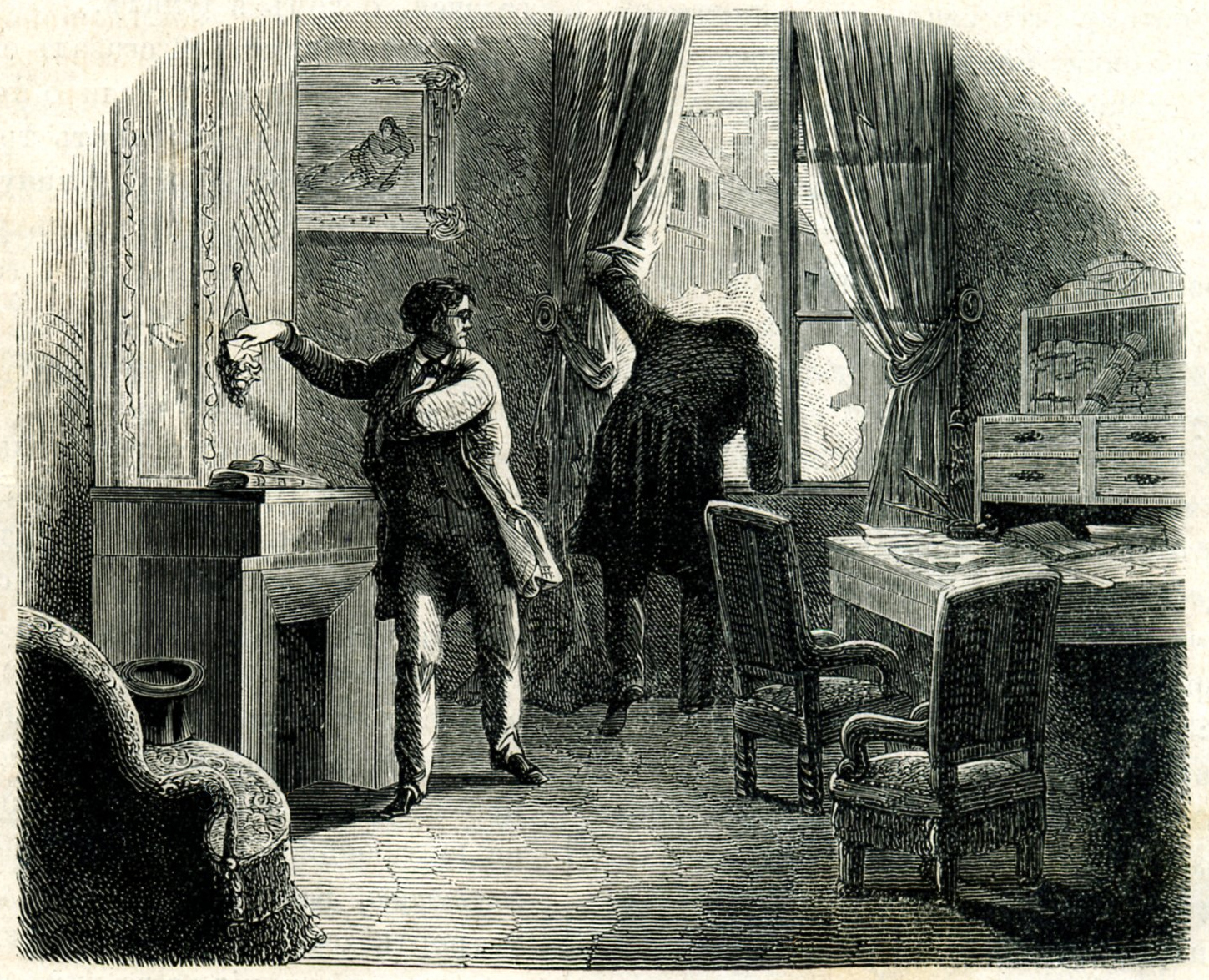
Now I thought I was smarter
when I glimpsed
a folded piece of paper
tucked in a letter compartment
of the rolltop desk
right there in plain sight.
But when I seized it and unfolded it,
it was just a shopping list
for the day’s necessities—
a thing with feathers
a stately pleasure dome
a grain of sand
a wild flower
a red wheelbarrow
a wine dark sea
—just the usual stuff.
But when I went to consult
the little French detective
in his humble digs,
redolent of mildew and a meerschaum,
walls bedecked with Beardsley prints
and Toulouse-Lautrec posters,
he didn’t even have to rise from his divan
to figure it out.
Mon dieu, mon ami!
(he said, pouring each of us a glass of absinthe)
What silliness you talk!
Can you tell me what it is,
this thing you speak of,
this—this meaning?
I can tell you for certain
there is no such animal
as a meaning.
It is a make-believe creature
for the hazing of—
—how do you call them, you Américains?—
Boy Scouts, n’est-ce pas?
They put a tenderfoot alone
holding a bag by a hollow log
and tell him to stand there waiting
deep in the night
for the meaning
to show his little head,
and they watch
just out of reach of his earshot
snickering to each other,
those comrades of his,
while he keeps waiting there
like an idiot.
No, mon frère,
a meaning is a chimera,
a mere opinion,
and the poem holds opinions in contempt.
The poem is smart,
the poet its useful fool.
Now as for the poem in question—
never having read it
I am quite au fait with it,
for having read one poem,
I have read them all
and know wherein their secrets may be found.
You see, the x you sought
is very big,
the biggest thing there is,
the only thing there is,
and you were—comment tu le dis?—
getting warm
to think you saw it
right where anyone else could see it.
But it wasn’t in plain sight,
it was plain sight.
For a poem is not a thing that means,
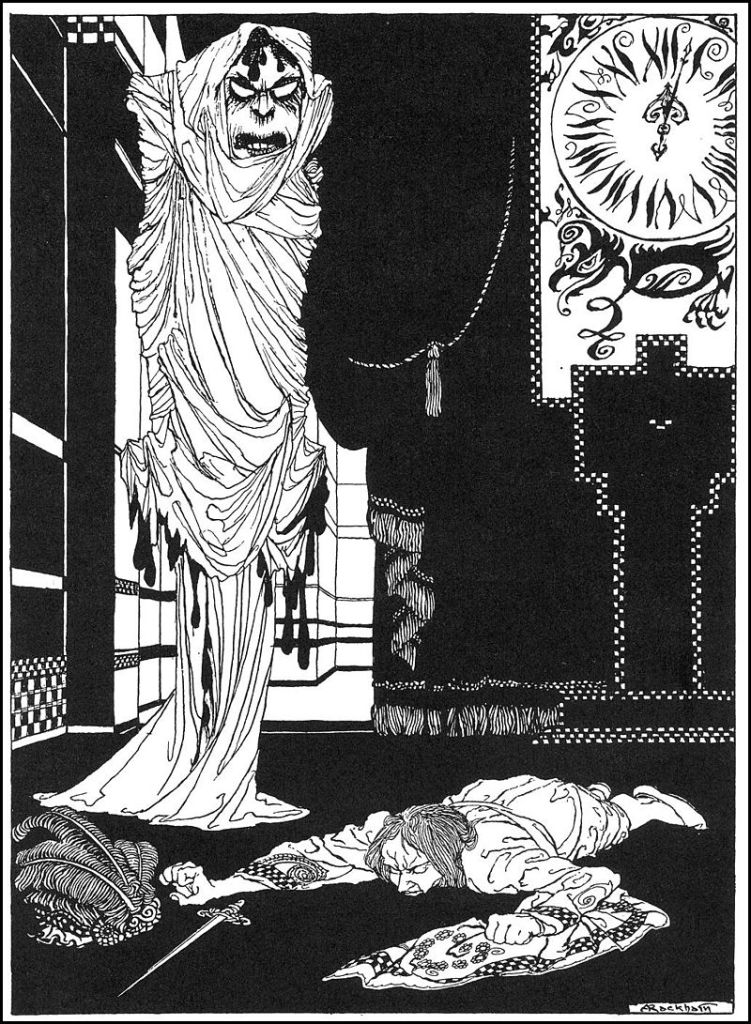
it is a handless
springless clock
that tells only the moment,
only what is really there.
It is a thing
that conundrums the sense,
so to speak—
that blisses the heart
and fierces the brain
and verbs its breath into a world.
—Wim
 playsonideas