My 90th Birthday

Reaching my 90th birthday seems to be important, but in another sense, this is just another day in a life full of a lot to think about and usually too much to do. There’s an unfinished fiber piece hanging on the wall that I haven’t gotten back to in months. There are art supplies ordered and so far unused. And there’s an unfinished novel lurking in my computer that’s a work of collaboration with Wim. (We’ve set a deadline for ourselves this fall and that’s where most of my creative effort goes right now.)

There are always freelance writing assignments to finish in order to pay the bills, and of course, there’s everyday life. (I do get help with those daily demands from both my daughter and husband.) The questions I get from random people are usually about how I am still on my feet. But there’s also that unspoken question: How is it I’m still here at all?
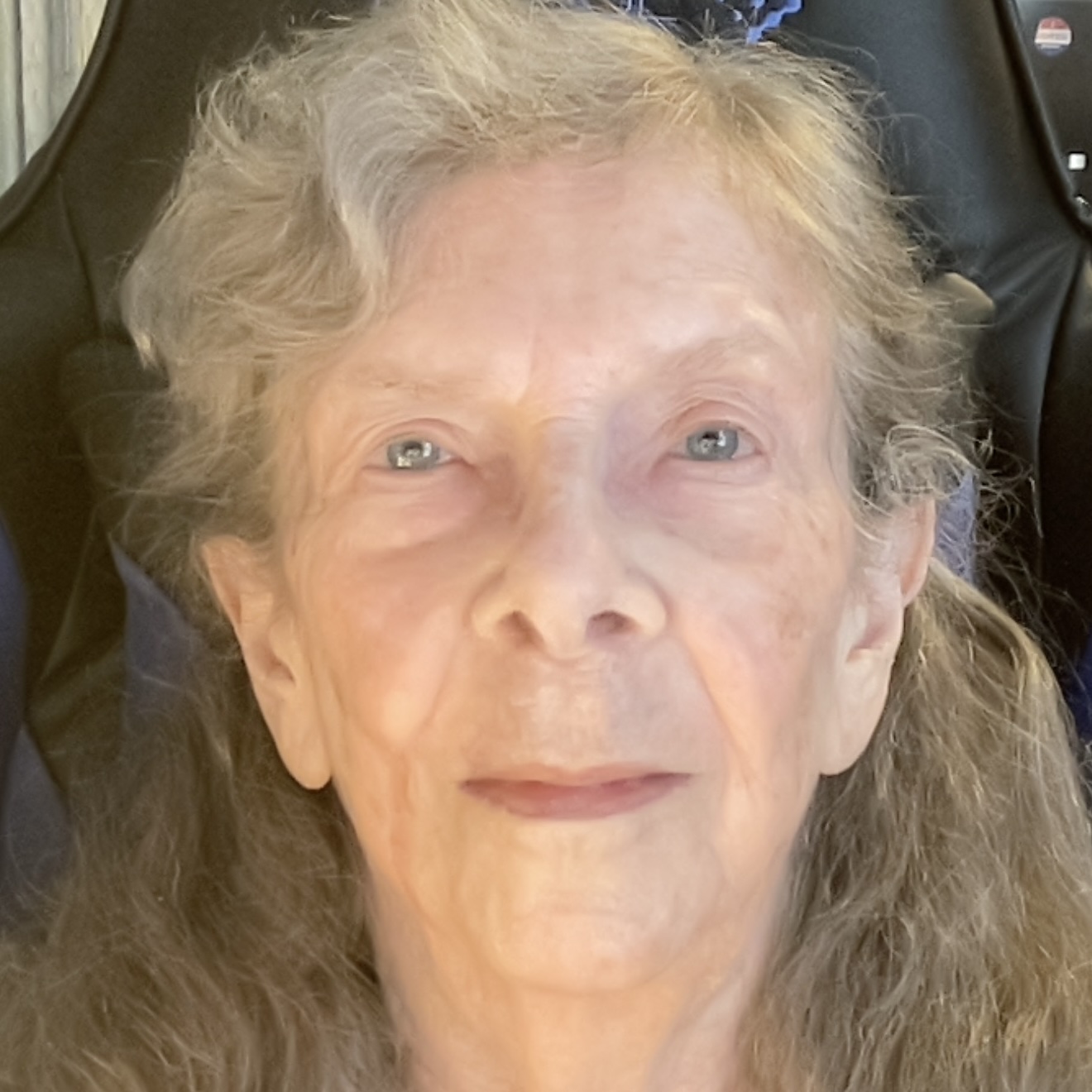
Photo from my computer camera yesterday.

Not that things are working perfectly. Of course there are lost words, dates, and specific memories — but the truth is, I was never good at knowing what happened when. A lot that took place between 1935-2025 doesn’t come into focus easily, but I’ve usually been centered on the present anyhow, or perhaps just outside of time. That has always had its disadvantages, of course, from long-ago history classes to present-day schedules.

The questions people ask about how deserve some thought. Some of the necessities seem to include a decent set of genes, physical activity, and mental and creative interests and efforts. Here are a few that make sense to me.  

Curiosity
What is the trick to aging successfully? If you’re curious about learning the answer, you might already be on the right track, according to an international team of psychologists, including several from UCLA. Click here to read an article by Holly Ober about curiosity and aging.

Optimism
This one gets difficult when the world seems to go askew. But an article in The MIT Press Reader relates optimism and longevity. Click here to read an article by Immaculata De Vivo on this topic.

Change
The flexibility to deal with change is an essential when this much time goes by. Neuroscientist Anne-Laure Le Cunff comments that, “We often think of change as something to endure. But change is how we grow.” Click here to read Le Cunff’s article about how curiosity transforms uncertainty from a threat into an invitation

Make Life an Artwork
An article in the online publication Philosophy Break quotes Nietzsche on finding our true selves and suggests that we “view our lives as an artistic project.” I’d add that you have to be able to think of such a project as open-ended, not something to ever be finished and framed. Click here to read Jack Maden’s article about what Nietzsche has to say about shaping our lives creatively.

Of course there’s no one answer. If we humans can be whoever, whatever, wherever we are — people just relating to other people — we can better enjoy whatever time we manage to have.

Pat
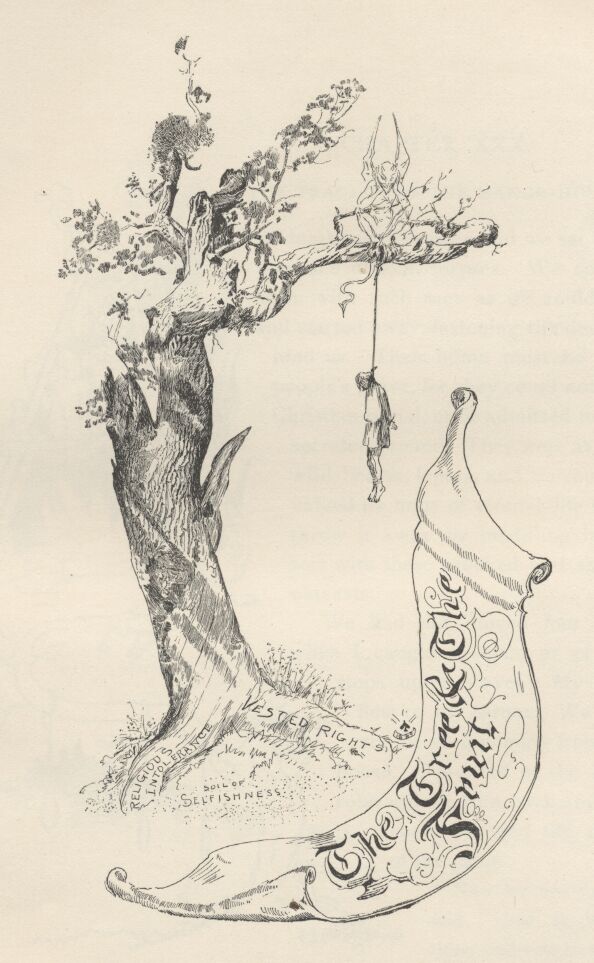
“The Cruelty Is the Point”

It’s been almost five years since I posted some thoughts about Mark Twain’s A Connecticut Yankee in King Arthur’s Court and how it relates to our times. Revisiting those thoughts today, they seem even more sadly apt than they were back then.

Illustration by Daniel Carter Beard for the 1889 edition of A Connecticut Yankee in King Arthur’s Court

A Connecticut Yankee is mysterious and disturbing book, so unlike its reputation that one can only assume that few people really bother to read it. It starts off as a light-hearted satire of medieval times and climaxes with an apocalypse of sorts—the mass slaughter of Europe’s knight errantry by electrocution, dynamite, and a Gatling gun.

But perhaps the book’s most unsettling episode involves children. When the protagonist, Hank Morgan, takes King Arthur on an incognito tour of the brutal realities of his kingdom, they witness a spree of mob violence in which peasants turn against peasants, butchering and hanging one another out of blind fear of their rulers. The next day, Hank and the king come across this scene:

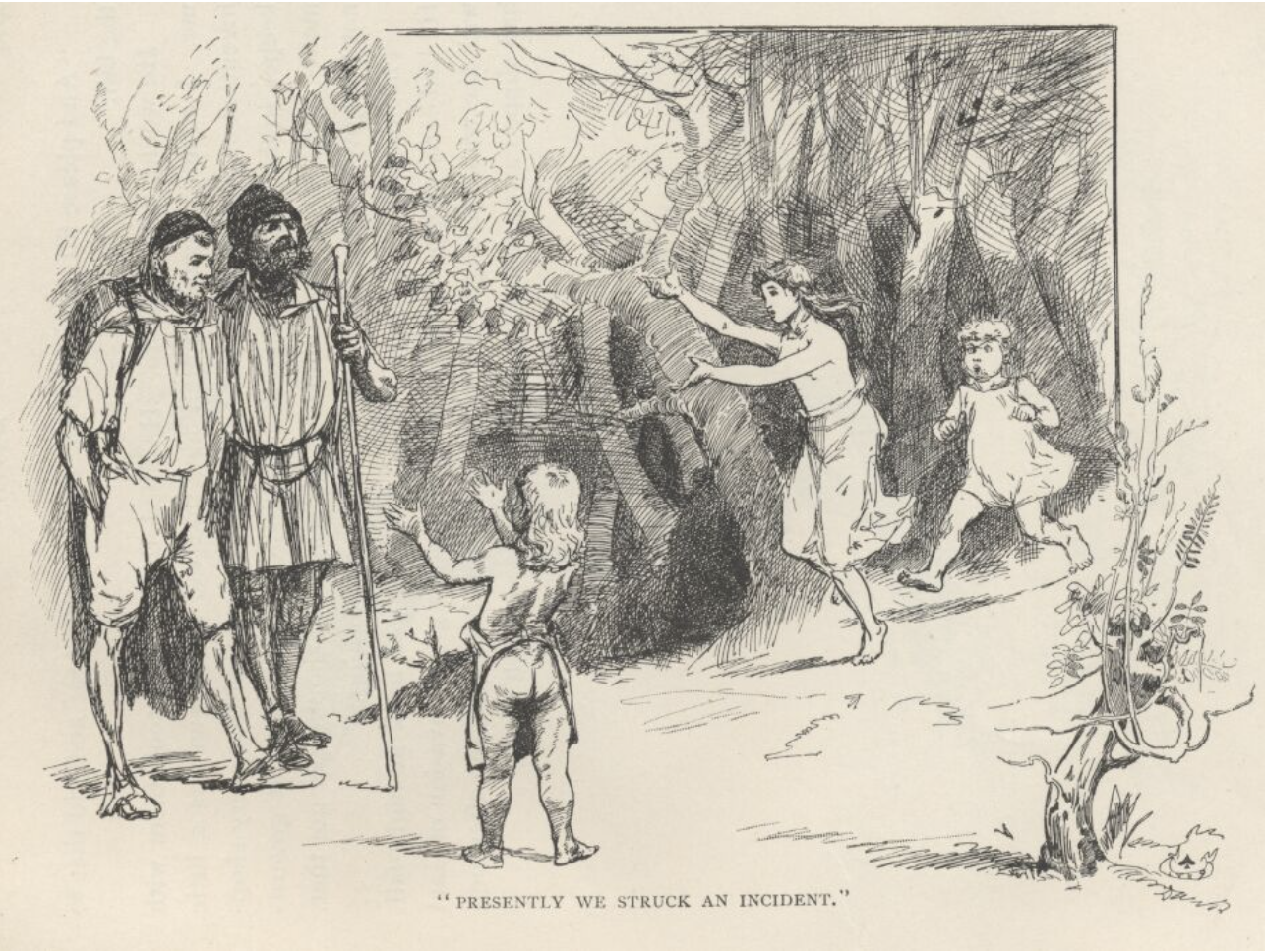
A small mob of half-naked boys and girls came tearing out of the woods, scared and shrieking. The eldest among them were not more than twelve or fourteen years old. They implored help, but they were so beside themselves that we couldn’t make out what the matter was. However, we plunged into the wood, they scurrying in the lead, and the trouble was quickly revealed: they had hanged a little fellow with a bark rope, and he was kicking and struggling, in the process of choking to death. We rescued him, and fetched him around. It was some more human nature; the admiring little folk imitating their elders; they were playing mob, and had achieved a success which promised to be a good deal more serious than they had bargained for.

Illustration by Daniel Carter Beard for the 1889 edition of A Connecticut Yankee in King Arthur’s Court

Twain’s account of children hanging one another to imitate their elders is truly a fable for these days of Trumpism. The question is often asked: Do you want your children to behave like Donald Trump, with his blatant narcissism, bigotry, misogyny, name-calling, cruelty, bullying, crooked dealings, and interminable lies? While few Americans would admit it aloud, I suspect that an alarming number of them want exactly that. As Elon Musk himself said to Joe Rogan, “The fundamental weakness of western civilization is empathy.”

Specifically, empathy is held suspect in male children. It’s an idea that’s deeply ingrained in our culture—that empathy, fair play, and kindness are for sissies and “girly men.” Boys must instead be taught the opposites of all those traits in order to grow up to be “real men”—men with power, fame, and wealth like Donald Trump. Life is a zero-sum game, and “nice guys finish last,” and to be a man, one must never show weakness, shame, or scruples, nor ever concede defeat.

We often say of Trumpism that “the cruelty is the point,” especially when it comes to the treatment of immigrants and their families. But Twain wanted us to believe that cruelty is not innate but learned, and that childhood is the aptest time to teach it. In “The United States of Lyncherdom,” a polemic Twain wrote to protest the rise of murderous violence against African Americans, he tried to explain the viciousness of mobs as motivated by moral cowardice, not pleasure:

Why does a crowd … by ostentatious outward signs pretend to enjoy a lynching? Why does it lift no hand or voice in protest? Only because it would be unpopular to do it, I think; each man is afraid of his neighbor’s disapproval — a thing which, to the general run of the race, is more dreaded than wounds and death.

As bitter as Twain became toward “the damned human race,” I fear that he remained naïve about human nature. Cruelty may well be indeed learned and imitated, not innate; but once it takes root, it becomes an illness, an addiction. Some addicts don’t merely pretend to enjoy their drug of choice; they convince themselves of it.

As Huckleberry Finn put it upon witnessing an act of mob violence, “Human beings can be awful cruel to one another.”

—Wim

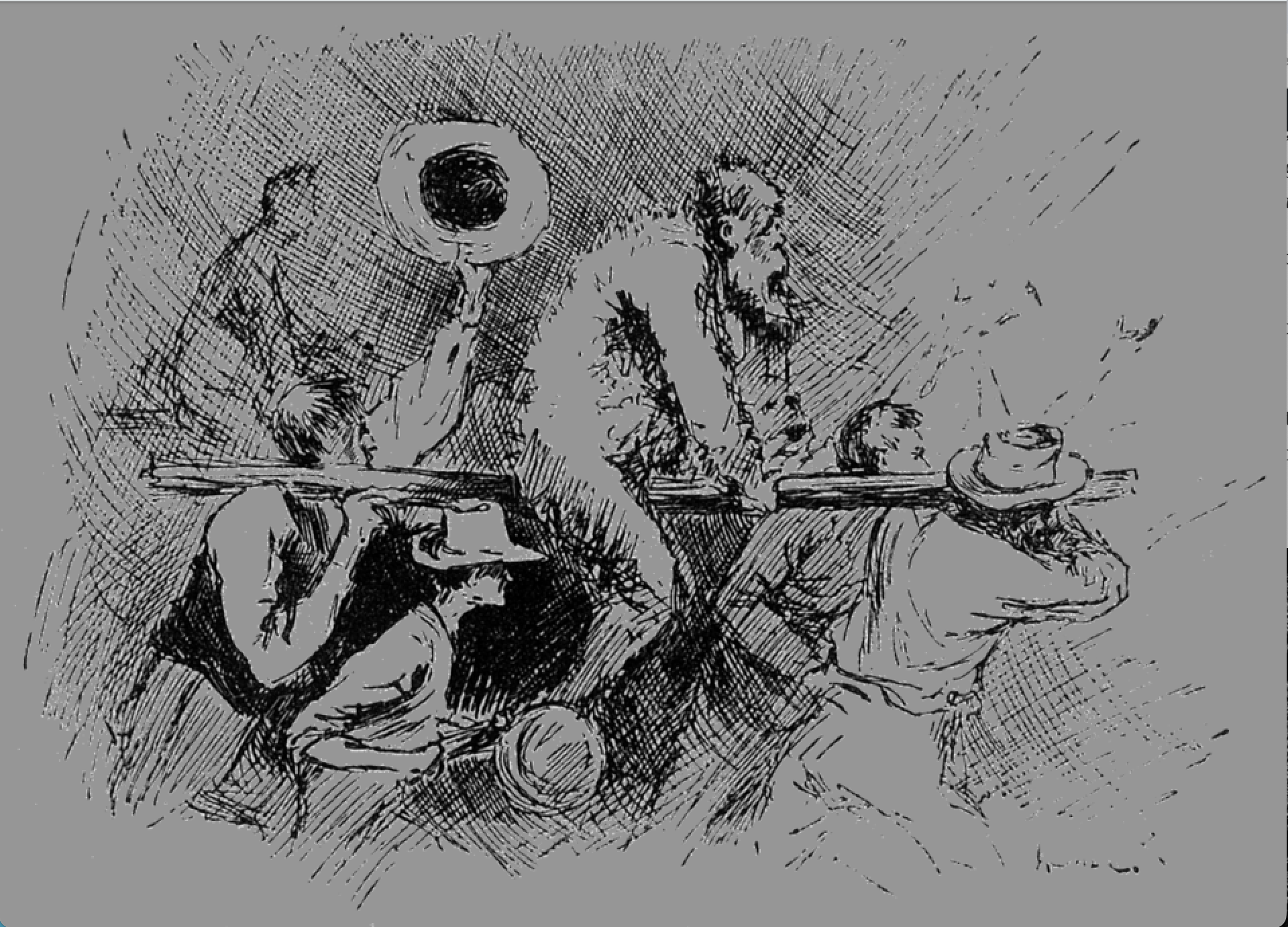
The King and the Duke are tarred and feathered; illustration by E.W. Kemble from the 1885 edition of Adventures of Huckleberry Finn