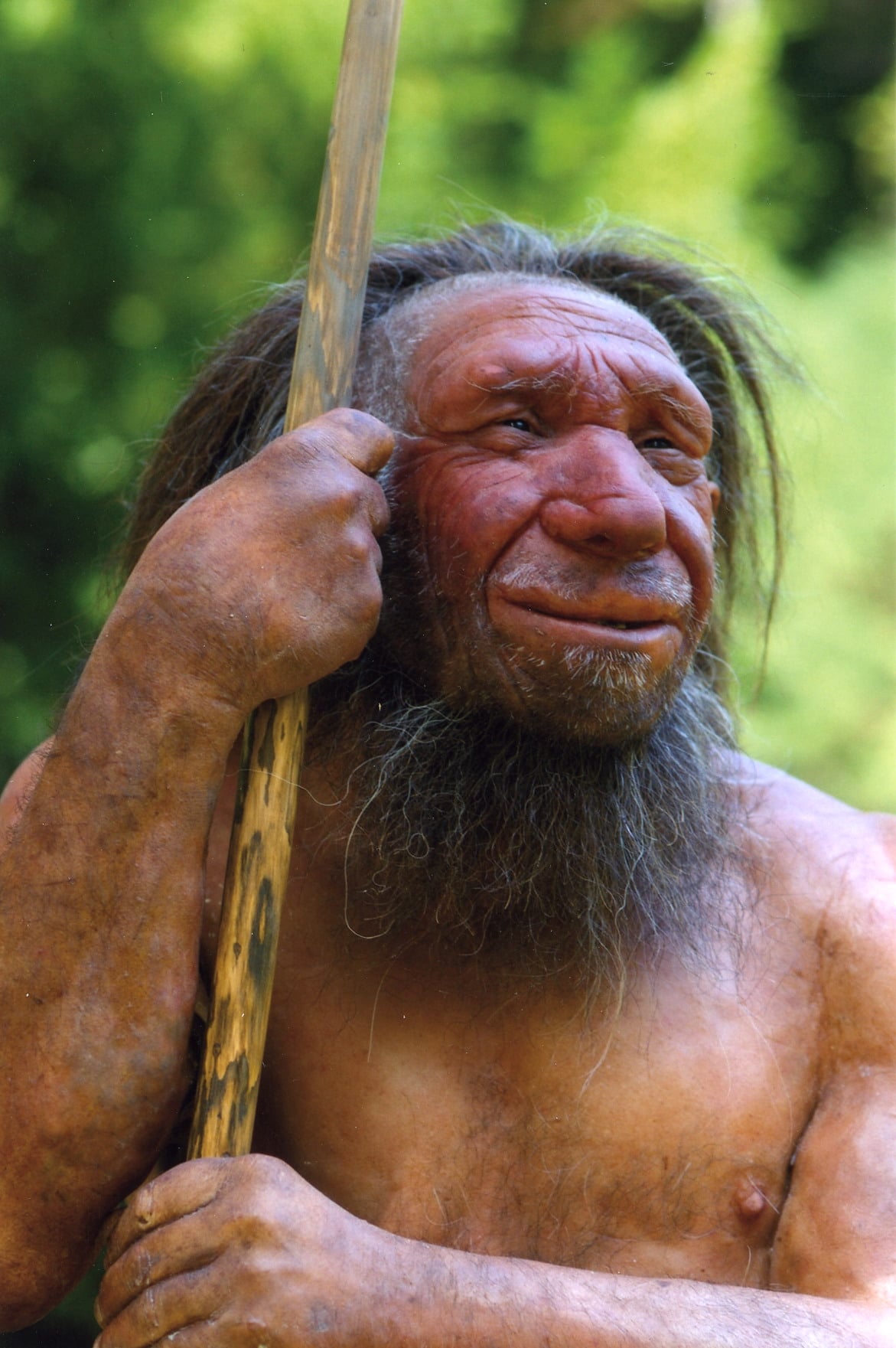
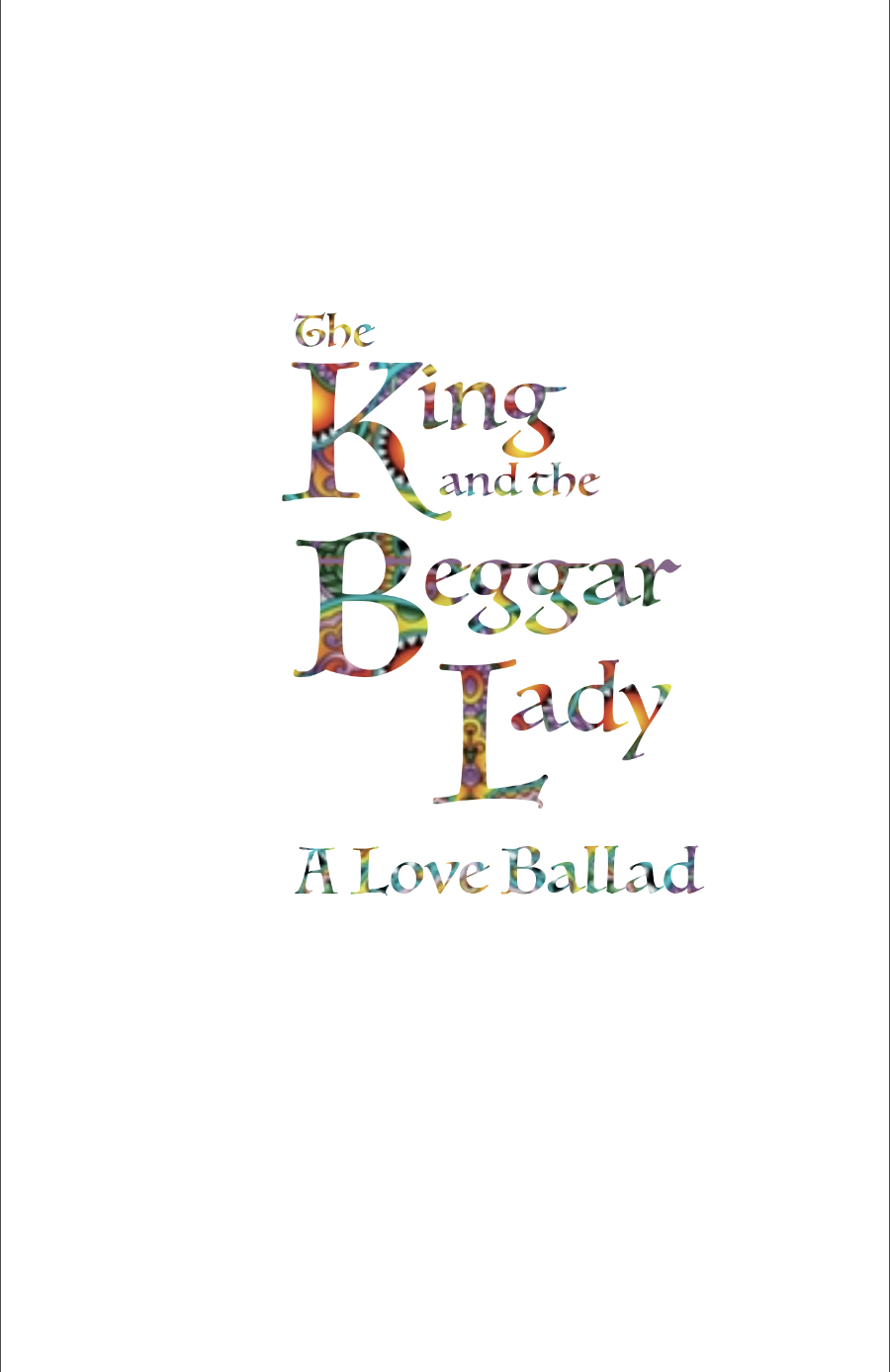
The King and the Beggar Lady

An Old Tale Retold for a New Time …

This colorfully-illustrated book, now available on Amazon.com, is a new take on a tale dating to Shakespeare’s days—the one about a king who falls in love with a beggar woman. Does he woo her and marry her and make her his queen? In this retelling, the Beggar Woman turns the King’s world upside down.
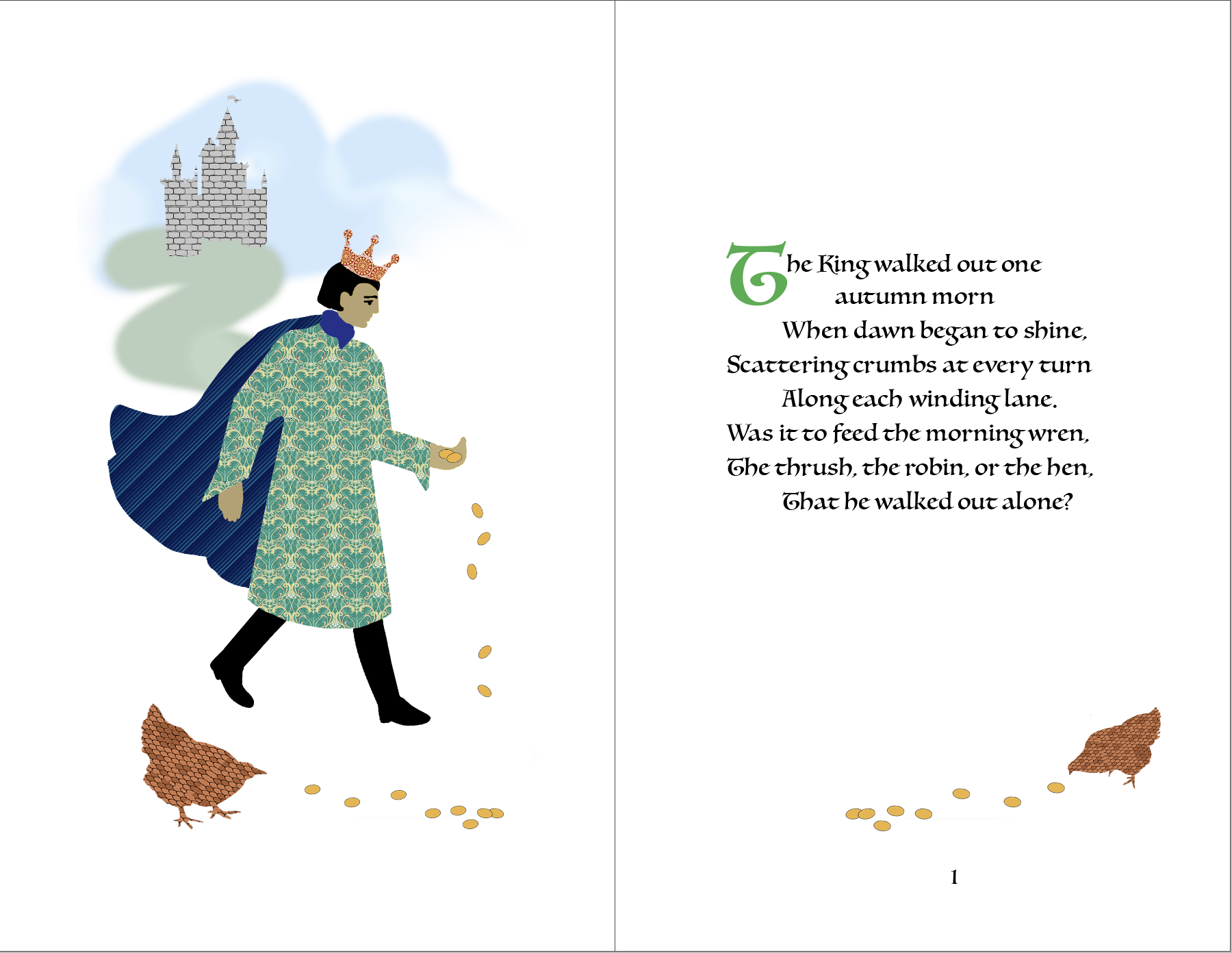
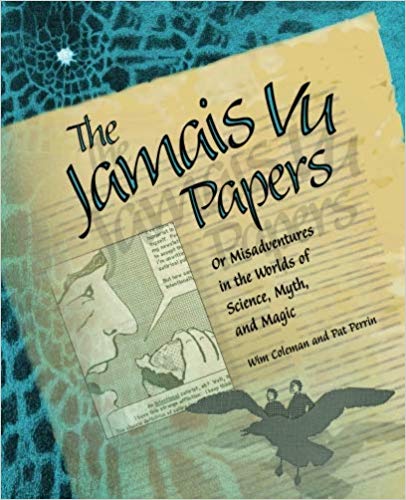
From the award-winning creative team that created the cult classic The Jamais Vu Papers, this charming story-poem is written by Wim Coleman and illustrated by Pat Perrin. The King and the Beggar Lady is an announced Category Finalist for this year’s Eric Hoffer Book Awards! 
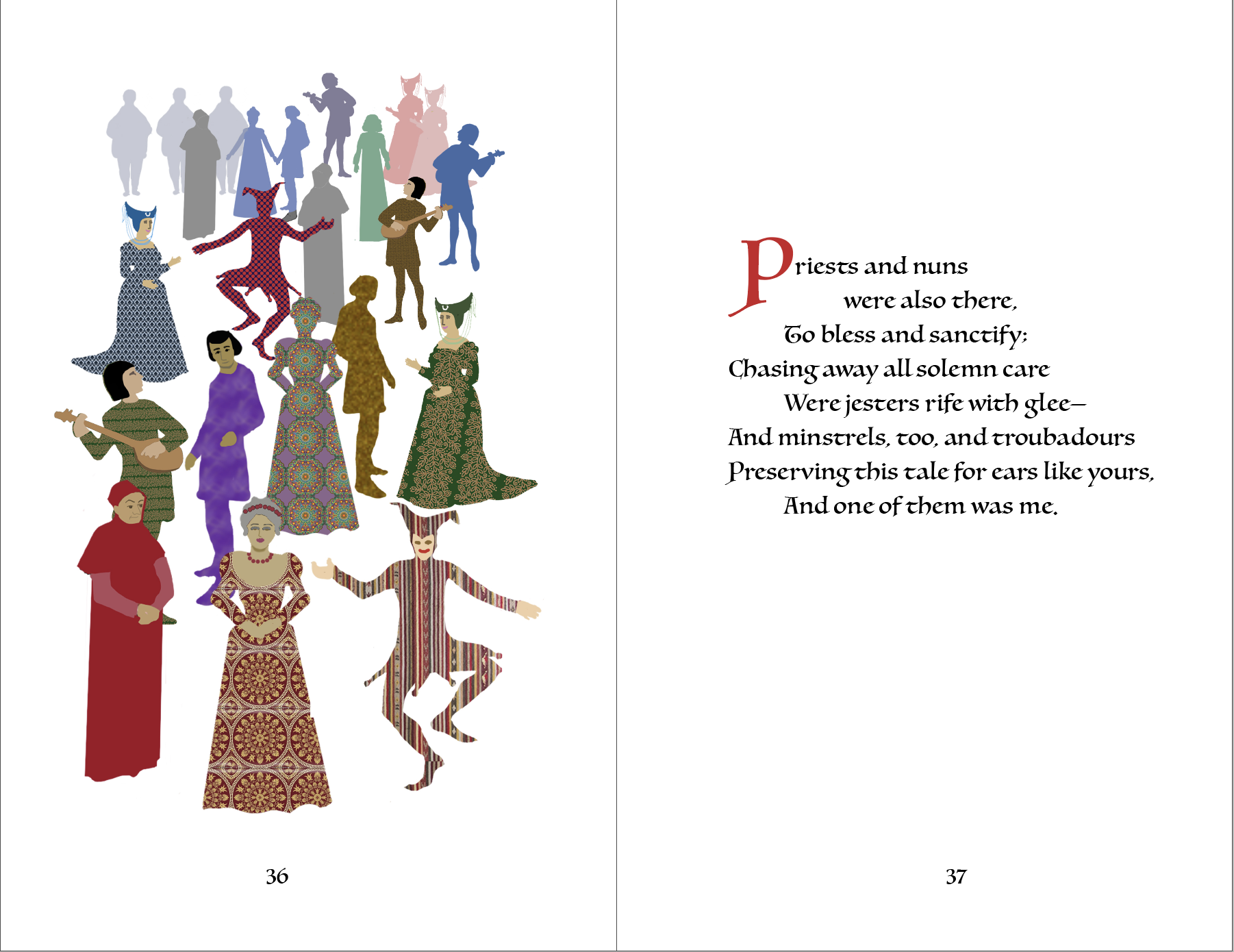
A great little book for a gift or personal collection.

… now available on Amazon.com.
Is there not a ballad, boy, of the King and the Beggar?

The pompous Spaniard Don Armado asks this question of his page, Moth, in William Shakespeare’s early comedy Love’s Labour’s Lost. Moth makes this reply:

The world was very guilty of such a ballad some three ages since: but I think now ’tis not to be found …

But the ballad seemed to have reappeared a short time later, when Shakespeare wrote Romeo and Juliet. It comes up again when Romeos’ friend Mercutio mentions Venus’s “purblind son and heir”:

Young Adam Cupid, he that shot so trim,
When King Cophetua loved the beggar-maid!

So a ballad about “The King and the Beggar-Maid” was already known when Shakespeare wrote both of these plays during the 1590s. The oldest known version appeared in an anthology in 1612. It tells the tale of the wealthy King Cophetua, who disdains women and marriage until he falls in love with a beggar named Penelophon. And just as Mercutio says, Cupid is to blame for the king’s unexpected passion:

The blinded boy that shootes so trim
From heaven down did hie,
He drew a dart and shot at him,
In place where he did lye …

The ballad unfolds in a traditional fairytale manner. The King woos Penelephon, who (of course) is overwhelmed and honored by his attentions:

At last she spake with trembling voyce,
And said, “O King, I do rejoyce
That you will take me for your choice,
And my degree so base.”

And (of course) she marries the King, and they live happily ever after:

And thus they led a quiet life
During their princely raine,
And in a tombe were buried both,
As writers sheweth plaine.

The story especially inspired artists and writers during Victorian times. The poet Alfred, Lord Tennyson, wrote a couple of stanzas about the story, which was also a subject for the Pre-Raphaelite painters Edmund Blair Leighton and Edward Burne-Jones. Charles Lutwidge Dodgson (better known as Lewis Carroll) took a photograph of Alice Liddell, thought to be the model for the title character in his most famous books, costumed as the beggar-maid.

If the story has fallen from fashion, it may be because we’ve become less enthusiastic about Cinderella-like tales in which a handsome nobleman rescues a poor but beautiful (and vacuous) maiden from a life of misery and turns her into a princess.

In our own version of the ballad, we decided to turn things around a bit.
How long does it take to make an artwork?

A lifetime at least. More than that because so much is double-timed, images and words running parallel to every ordinary day, fading in and out of the corners of the mind while everything else goes on—a lifetime of double-timing between those moments of sharp intensity while the focus is entirely on the work.

Whether a simple-seeming splash of color or a living line, a brushstroke or plunges of some sharp tool … whether stitching in space or dancing in it, writing words or singing them, or bringing pure sounds into a void … the thing taking form depends on everything lived so far and imagined yet to come.

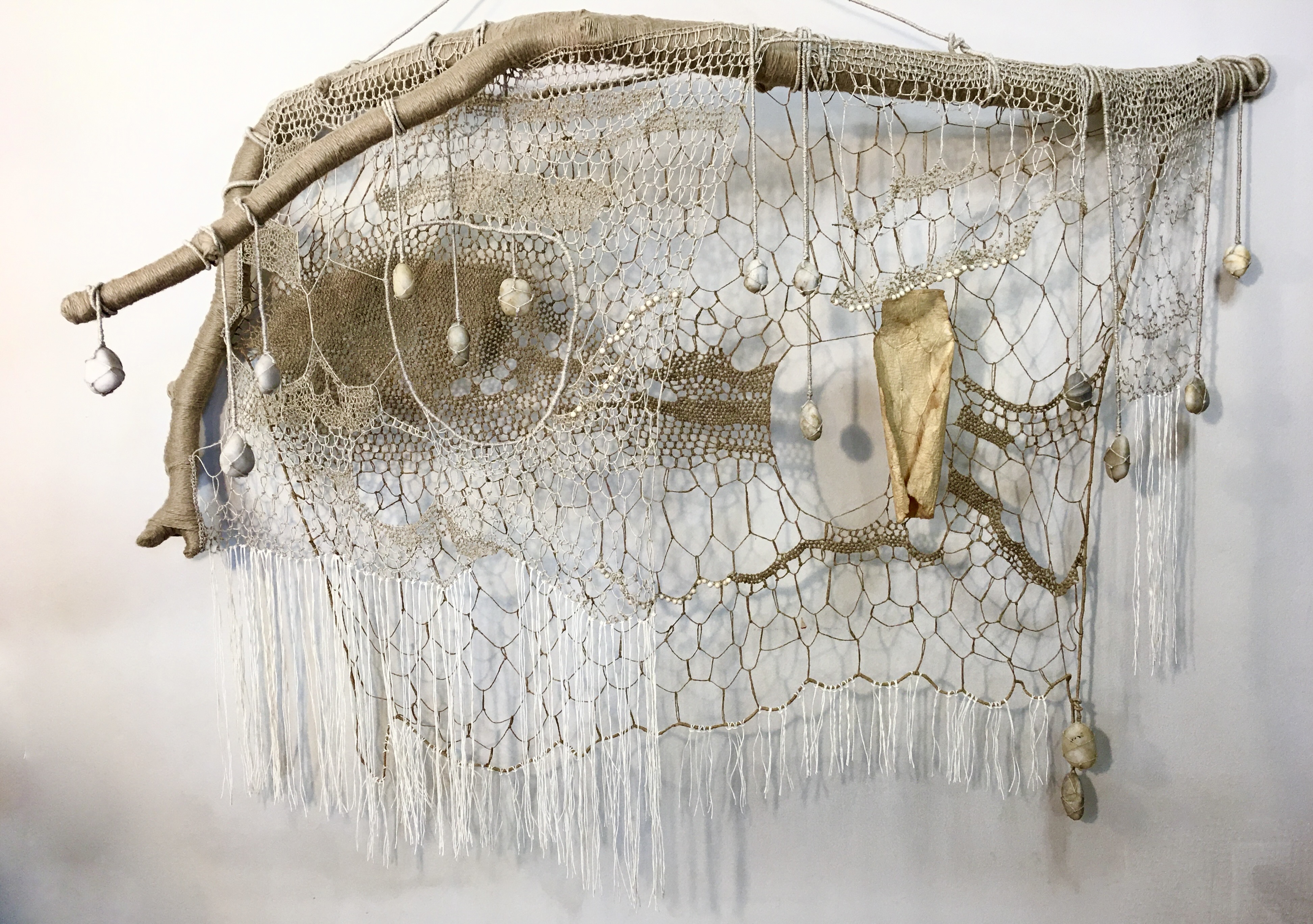
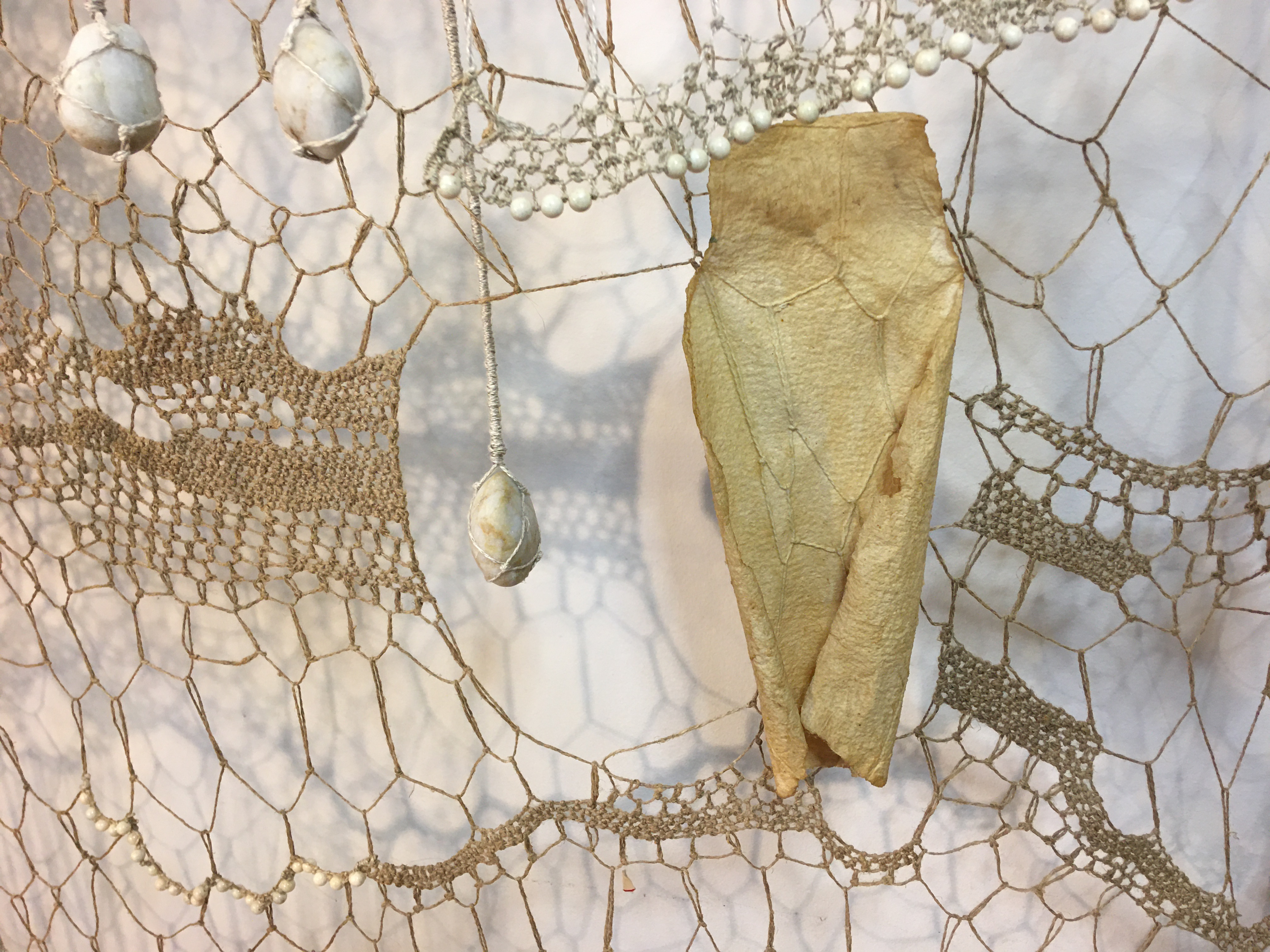
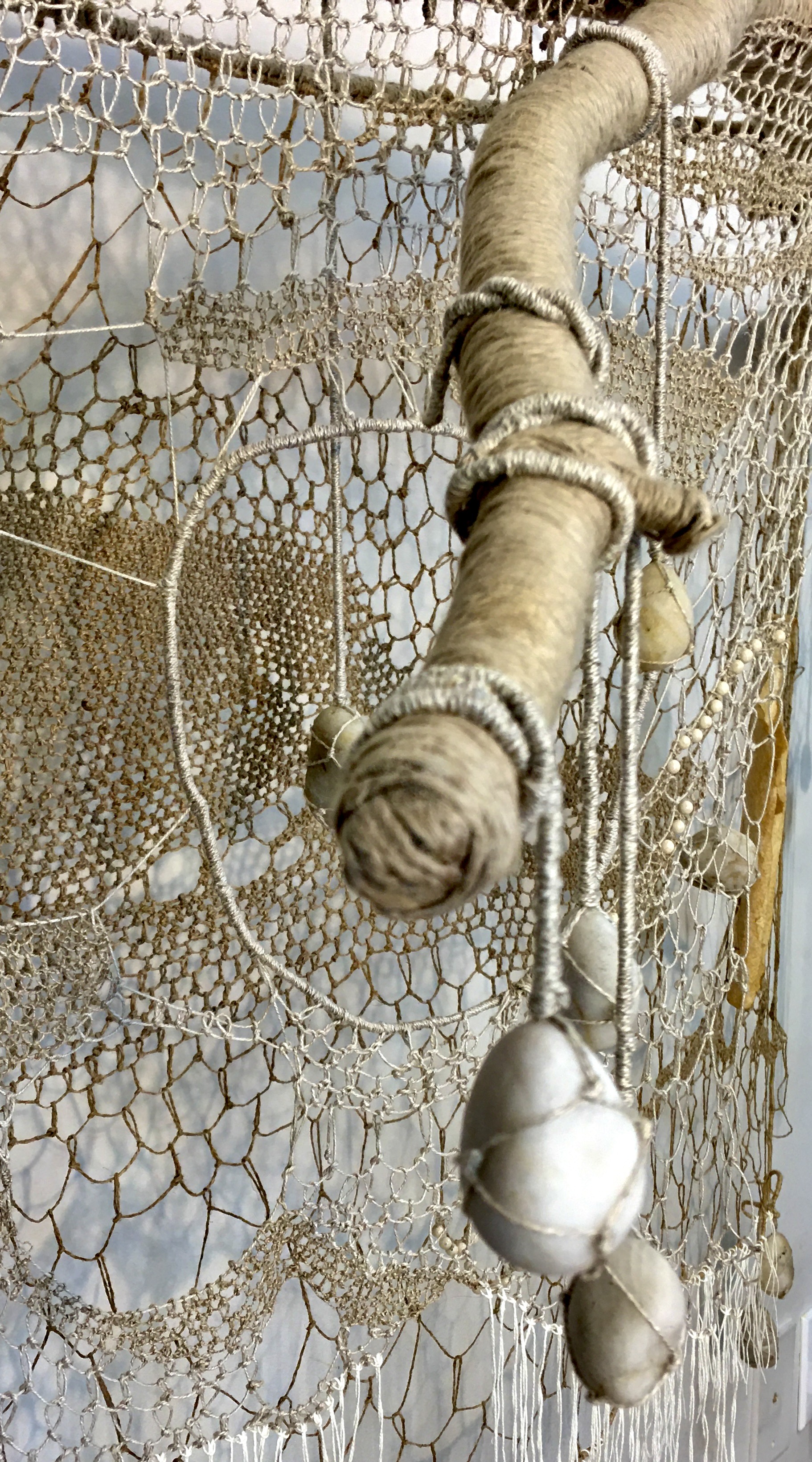
Life Forms, Eventually to Wonder
Linen and cotton yarns, handmade paper, river stones, bone beads, on a wrapped tree branch, 36 in H x 48 in. W x 17 in. deep.
An expression of my most-often-used artist’s statement: Here on this fleck among the uncountable stars something takes form, eventually to wonder why we are and what to each other.

I worked on this piece over several years, off and on and, of course, double-time. Stitchery is a very slow means of expression, so the thing itself is likely to grow a lot between concept and final form. This old needlelace technique works to create surfaces in the air and handmade paper is yet another way of making something that wasn’t there before. I like stones for their compositional value but especially because stones are ancient in our world and always seem to have something to say on their own.

— Pat


The Hoax Principle …

“… that fictional ideas, like placebos,
can attain an astounding level of reality
through sheer persuasive force.”

Who would have believed that fictional characters would simply refuse to be remaindered along with physical books? After The Jamais Vu Papers was published by Harmony Books in 1991, it sold a few thousand copies and then seemed doomed to disappear as books did when major publishers lost interest in them. Two decades later, after we got complaints that the book wasn’t available anywhere, we republished it ourselves. A small audience continues to follow our erratic story, and a modest number of copies sell every year. That seemed to be the end of the story.

We did take note that our character Llixgrijb succeeded in walking off the pages and taking on a life of his own, turning up in a variety of guises and languages. Those connections seemed amusing, probably harmless, and again we thought that was the end of it.

But the words of another fictional character from our book have taken on new life today. Imogene Savonarola, a renowned neuroscientist at the Institute of Neuroreality, “determined that the brain possesses receptors for paradox” and hypothesized the existence of a neurotransmitter which she called the “oxymorphin.” Explaining that “The oxymorphin is almost wholly dormant in modern man, except when it is occasionally sparked by direct encounter with a common metaphor,” Savonarola set about producing a chemical equivalent, creating chaotic adventures that make up much of our tale.

In another of her publications, Savonarola discusses a very timely concept: how fantasy can become empirical reality through “The Hoax Principle.”

“Flat-out lies can come true if they appeal
eloquently enough to the credulity
of both sides of the mind/brain.”

She describes false ideas as placebos, those sugar pills or meaningless procedures that can seem to cure disease if the consumer believes they are real medicine. (See Harvard report) Whatever we might think of Savonarola’s scholarship, it does seem that in our own time, an extraordinary consumption of placebos has activated the dark side the process she describes.

Pat

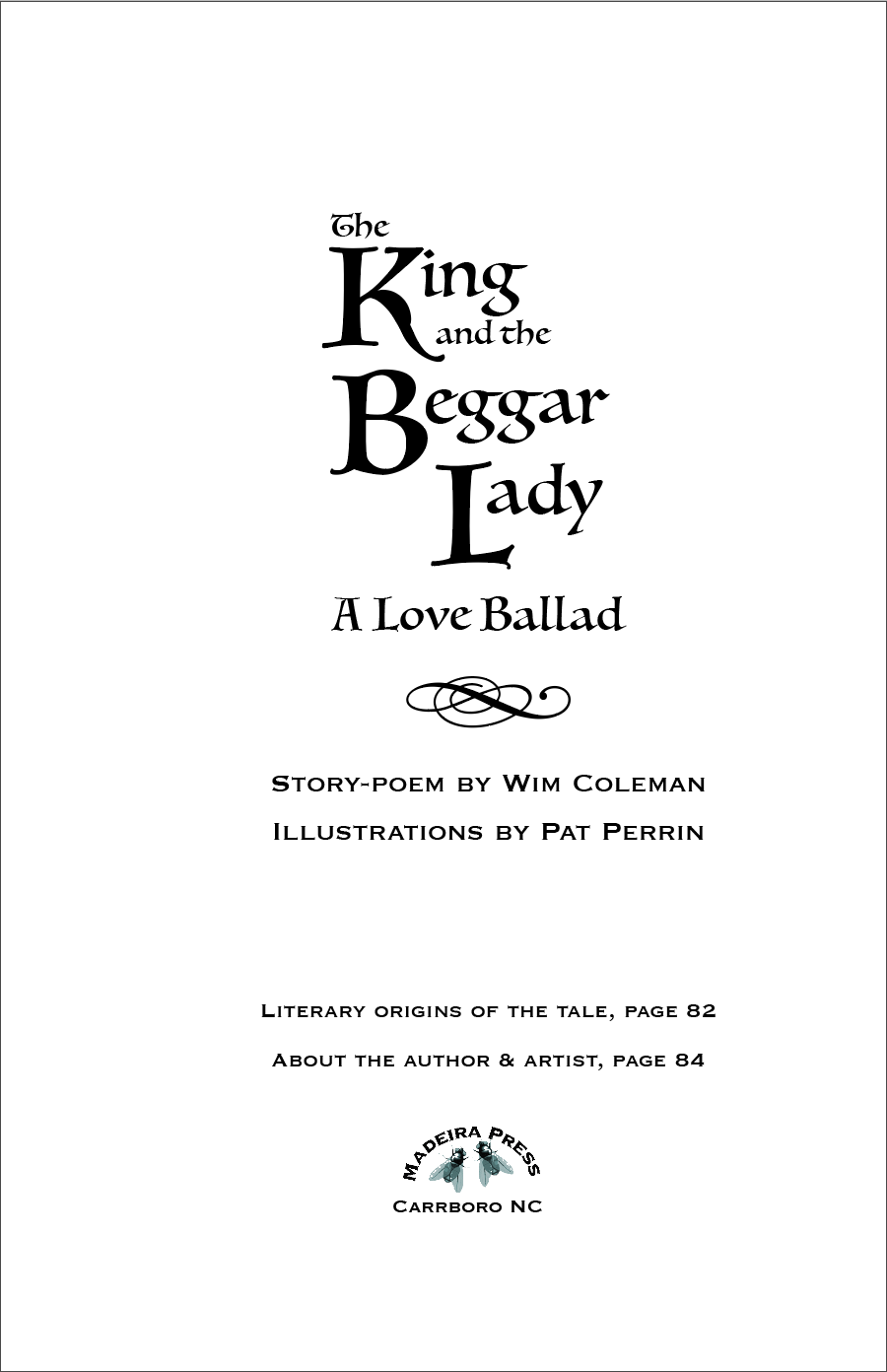
World’s Oldest String Found at French Neanderthal Site (poem)

Given the ongoing revelations of Neanderthal art and technology, it is difficult to see how we can regard Neanderthals as anything other than the cognitive equals of modern humans.

—Hardy, B.L., Moncel, M., Kerfant, C. et al. Direct evidence of Neanderthal fibre technology and its cognitive and behavioral implications. Sci Rep 10, 4889 (2020).

Ask the young tree
when the day gets pungent with blossoms
whether it is ready and willing
and if the tree says yes
let it start working.

The tree will glide the flint’s edge
through skin that bleeds
pale and clear as you cut it
skyward to earthward
then in crueler horizons
high and also low.

The skin will tease itself free
revealing its secret inner face
of infinite tendrils.
(The naked sinew of the tree
will taste sweet to the tongue.)

Three slim bundles
will strand off brightly
and sing their song of weaving
leading your fingers
whirling toward the river
while your wrist
bends ever toward the mountains
and the womb of your palms
gives birth to new vine
and the new vine’s secret.
We begin and we end
but it needs not be so

for the birthing of this vine
into its life of dance and song
needs never end
even as it frays behind us.
So may our birthing
yours and mine
partner ever with our dying
on and on and on
until

*

Poem appeared in Sisyphus, Summer 2020.

Photo by Neanderthal-Museum, Mettmann.
Licensed under the Creative Commons Attribution-Share Alike 4.0 International license.