“The King and the Beggar Lady” is an Eric Hoffer Awards Category Finalist!

Our new book The King and the Beggar Lady (written by Wim, illustrated by Pat) is an announced Category Finalist for this year’s Eric Hoffer Book Awards! One of the largest international book awards for small, academic, and independent presses, the Hoffer Awards honor “freethinking writers and independent books of exceptional merit. According to the Hoffer Awards website,

The commercial/political environment for today’s writers has all but crushed the circulation of ideas. It seems strange that in the Information Age, many books are blocked from wider circulation, and powerful writing is barred from publication or buried alive on the Internet. Furthermore, many of the top literary prizes will not consider independent books, choosing instead to become the marketing arms of large presses.… The Hoffer will continue to be a platform for and the champion of the independent voice.

The awards are given every year in memory of Eric Hoffer (1902-1983), the American moral and social philosopher who never turned his back on his working-class roots. Dubbed “the longshoreman philosopher,” Hoffer once said …

My writing is done in railroad yards while waiting for a freight, in the fields while waiting for a truck, and at noon after lunch. Towns are too distracting.

Only 10% of entries reach the Category Finalist stage for this prestigious award. The King and the Beggar Lady was in competition with books from smaller traditional publishers, including university presses and well-known literary houses, as well as a multitude of other independently-published books. So we are deeply honored! A hearty thank-you to the Eric Hoffer judges for this affirmation of our work, and also the work of all independent writers, publishers, and thinkers. It means a lot to us.

Anna's World by Wim Coleman and Pat Perrin

Our work has a distinguished history with the Hoffer Awards. For example, our Young Adult Novel Anna’s World was 1st Finalist in the Young Adults category of the Hoffer Awards.

The Jamais Vu Papers

And our new edition of our groundbreaking experimental novel The Jamais Vu Papers received an Honorable Mention in the Spiritual category of the Hoffer Awards. The Jamais Vu Papers was also on the short list for the Montaigne Medal, given by the Hoffer Awards for “the most thought-provoking titles … books that either illuminate, progress, or redirect thought.”

Here on this fleck among the uncountable stars something takes form, eventually to wonder why we are and what to each other.

Those words, my most-often-used artist statement, are about the wonder of life existing at all and how we experience it and what we are to do with it. My fiber works are often a direct expression of the enigma of life itself, and variations on these issues permeate all of my work. The books that Wim and I write deal with the same questions in one way or another.

We just finished hanging an exhibit of my work at the Carrboro ArtsCenter, up through the end of March. Here’s the main area.

Below is the wall of my illustrations for our book pages.

Another wall features small works.

Some closeups on my art page: https://playsonideas.com/pats-artworks/

Pat

The King and the Beggar Lady

An Old Tale Retold for a New Time …

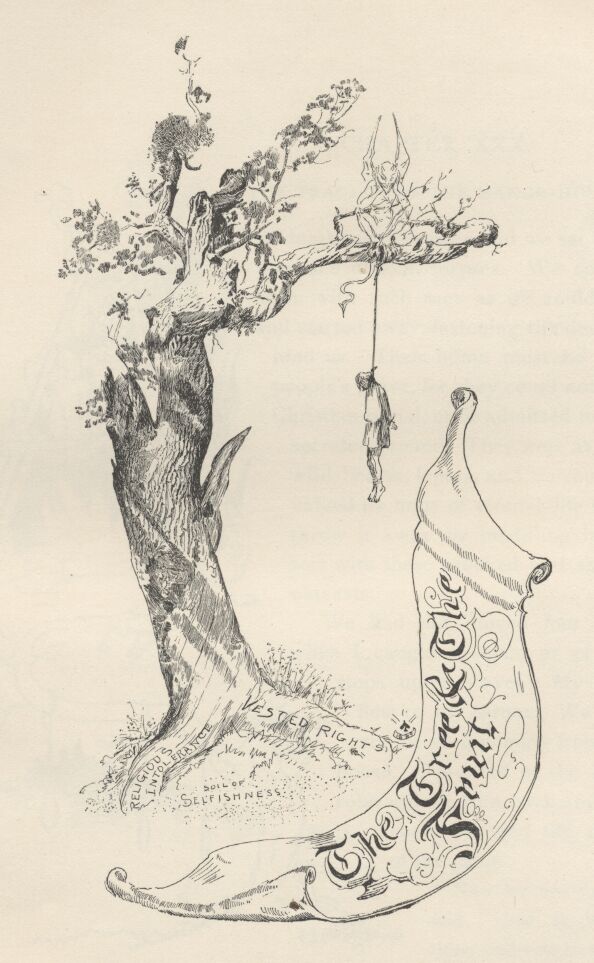
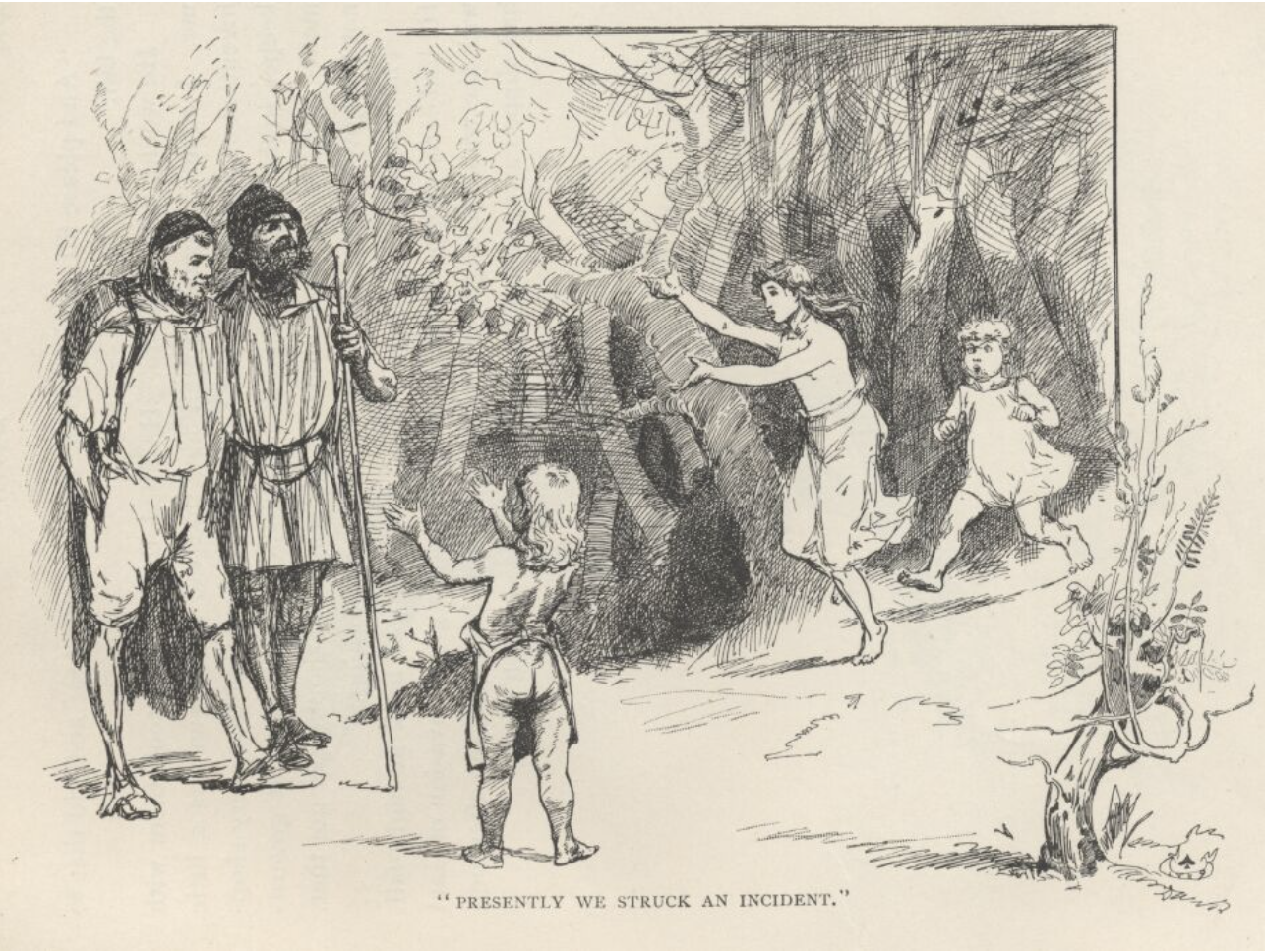
This colorfully-illustrated book, now available on Amazon.com, is a new take on a tale dating to Shakespeare’s days—the one about a king who falls in love with a beggar woman. Does he woo her and marry her and make her his queen? In this retelling, the Beggar Woman turns the King’s world upside down.

From the award-winning creative team that created the cult classic The Jamais Vu Papers, this charming story-poem is written by Wim Coleman and illustrated by Pat Perrin. The King and the Beggar Lady is an announced Category Finalist for this year’s Eric Hoffer Book Awards! 

A great little book for a gift or personal collection.

… now available on Amazon.com.

Is there not a ballad, boy, of the King and the Beggar?

The pompous Spaniard Don Armado asks this question of his page, Moth, in William Shakespeare’s early comedy Love’s Labour’s Lost. Moth makes this reply:

The world was very guilty of such a ballad some three ages since: but I think now ’tis not to be found …

But the ballad seemed to have reappeared a short time later, when Shakespeare wrote Romeo and Juliet. It comes up again when Romeos’ friend Mercutio mentions Venus’s “purblind son and heir”:

Young Adam Cupid, he that shot so trim,
When King Cophetua loved the beggar-maid!

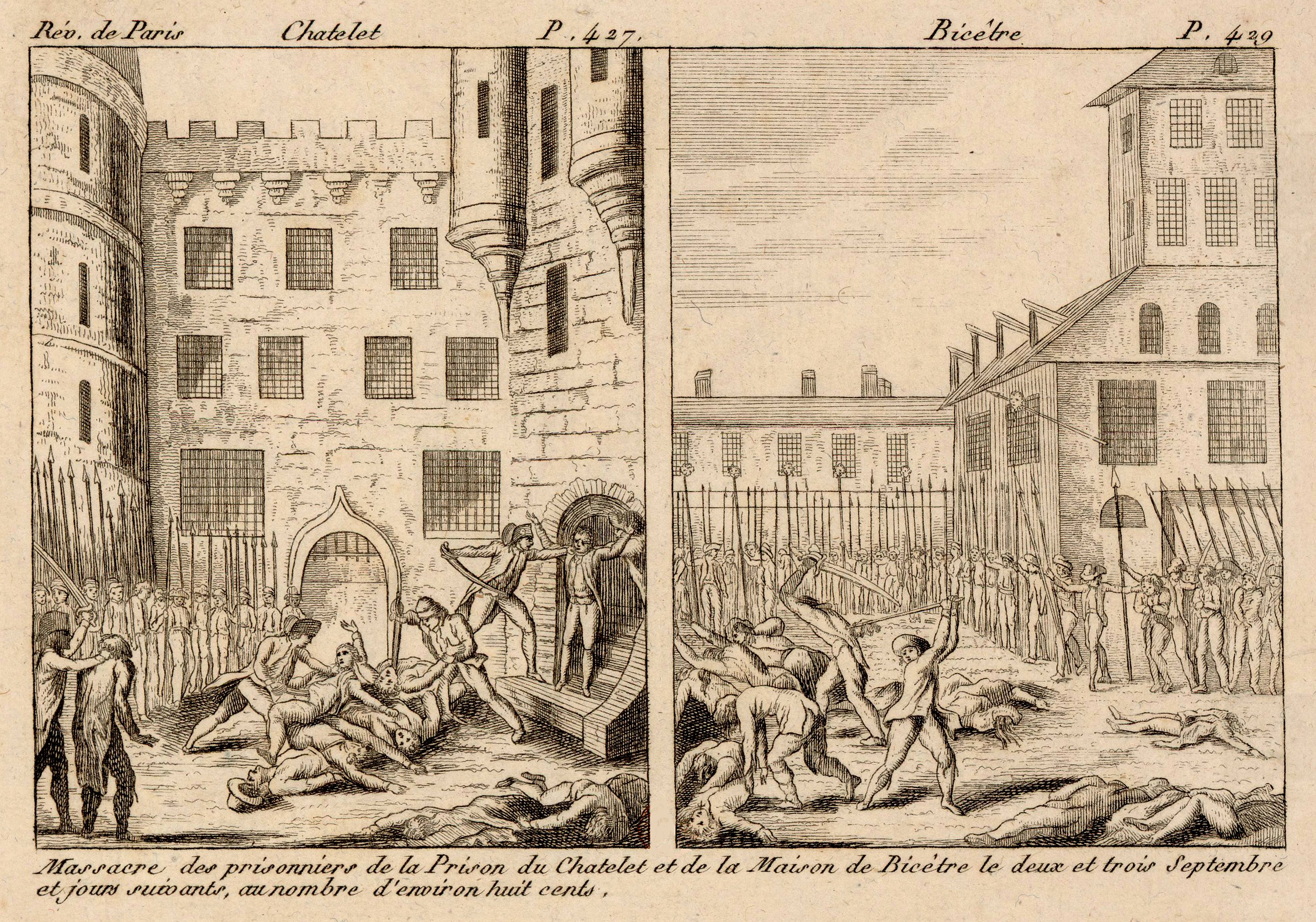
So a ballad about “The King and the Beggar-Maid” was already known when Shakespeare wrote both of these plays during the 1590s. The oldest known version appeared in an anthology in 1612. It tells the tale of the wealthy King Cophetua, who disdains women and marriage until he falls in love with a beggar named Penelophon. And just as Mercutio says, Cupid is to blame for the king’s unexpected passion:

The blinded boy that shootes so trim
From heaven down did hie,
He drew a dart and shot at him,
In place where he did lye …

The ballad unfolds in a traditional fairytale manner. The King woos Penelephon, who (of course) is overwhelmed and honored by his attentions:

At last she spake with trembling voyce,
And said, “O King, I do rejoyce
That you will take me for your choice,
And my degree so base.”

And (of course) she marries the King, and they live happily ever after:

And thus they led a quiet life
During their princely raine,
And in a tombe were buried both,
As writers sheweth plaine.

The story especially inspired artists and writers during Victorian times. The poet Alfred, Lord Tennyson, wrote a couple of stanzas about the story, which was also a subject for the Pre-Raphaelite painters Edmund Blair Leighton and Edward Burne-Jones. Charles Lutwidge Dodgson (better known as Lewis Carroll) took a photograph of Alice Liddell, thought to be the model for the title character in his most famous books, costumed as the beggar-maid.

If the story has fallen from fashion, it may be because we’ve become less enthusiastic about Cinderella-like tales in which a handsome nobleman rescues a poor but beautiful (and vacuous) maiden from a life of misery and turns her into a princess.

In our own version of the ballad, we decided to turn things around a bit.

How long does it take to make an artwork?

A lifetime at least. More than that because so much is double-timed, images and words running parallel to every ordinary day, fading in and out of the corners of the mind while everything else goes on—a lifetime of double-timing between those moments of sharp intensity while the focus is entirely on the work.

Whether a simple-seeming splash of color or a living line, a brushstroke or plunges of some sharp tool … whether stitching in space or dancing in it, writing words or singing them, or bringing pure sounds into a void … the thing taking form depends on everything lived so far and imagined yet to come.

Life Forms, Eventually to Wonder
Linen and cotton yarns, handmade paper, river stones, bone beads, on a wrapped tree branch, 36 in H x 48 in. W x 17 in. deep.
An expression of my most-often-used artist’s statement: Here on this fleck among the uncountable stars something takes form, eventually to wonder why we are and what to each other.

I worked on this piece over several years, off and on and, of course, double-time. Stitchery is a very slow means of expression, so the thing itself is likely to grow a lot between concept and final form. This old needlelace technique works to create surfaces in the air and handmade paper is yet another way of making something that wasn’t there before. I like stones for their compositional value but especially because stones are ancient in our world and always seem to have something to say on their own.

— Pat